
The information on this page is for general educational purposes only.
Please consult your dentist for advice specific to your oral health.
A traditional three-unit dental bridge in Ontario typically costs $2,500 to $5,000 without insurance. The total depends on the number of teeth being replaced, the type of bridge, the material, and whether any preparatory work — such as an extraction or root canal — is needed first. Most private dental plans cover bridges under major restorative benefits. The Canadian Dental Care Plan (CDCP) does not cover dental bridges. This guide covers bridge costs, what affects the price, and how insurance applies. It is for adults in Brampton and the GTA who are comparing tooth replacement options and want a clear cost picture before booking a consultation.
Key Takeaways
- A traditional three-unit dental bridge in Ontario typically costs $2,500 to $5,000 without insurance.
- Bridge costs vary by type — traditional, cantilever, Maryland, and implant-supported each carry different price points.
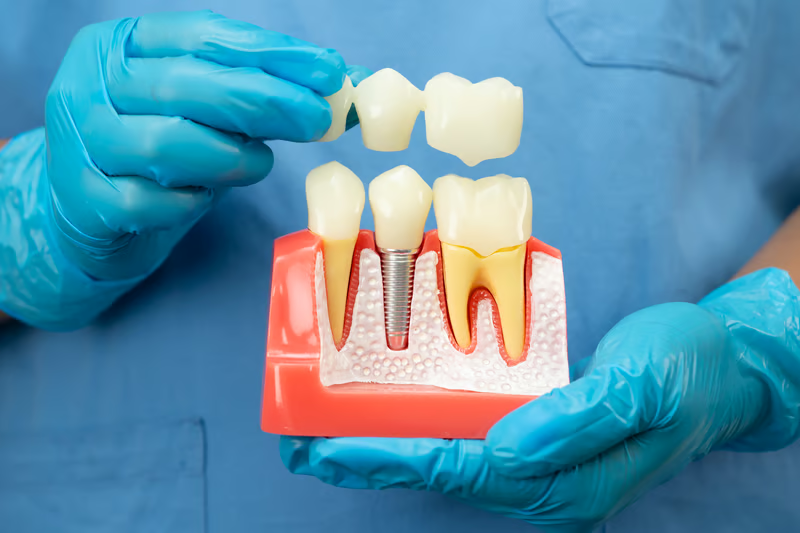
- Replacing one missing tooth with a traditional bridge usually requires a three-unit bridge: two crowns on the adjacent teeth plus one artificial tooth in the middle.
- Most private dental plans classify bridges as a major restorative service, typically covering 50% to 80% of the cost.
- The Canadian Dental Care Plan (CDCP), administered by Sun Life, does not cover dental bridges.
- A temporary bridge is placed while the permanent bridge is made in the dental laboratory.
- Preparatory work — extractions, root canals, or gum disease treatment — adds to the total cost.
- Bridges do not prevent jawbone loss at the gap site the way implants do.
- With proper care, a dental bridge can last ten years or more.
- Contact Delta Park Dental for a written estimate based on your specific case.
Average Dental Bridge Cost in Ontario
A traditional three-unit dental bridge in Ontario typically costs $2,500 to $5,000 without insurance. This is the most common bridge configuration — it replaces one missing tooth using two crowns placed on the adjacent teeth and one artificial tooth spanning the gap.
According to Healthline, dental bridge costs vary significantly based on the type of bridge, the number of units, the material selected, and the geographic location of the dental practice.
The Ontario Dental Association publishes a suggested fee guide, which many Ontario clinics use as a reference point. Individual clinics set their own fees — contact Delta Park Dental directly for a written estimate specific to your case.
What Changes the Price of a Dental Bridge
Several factors affect the total cost of a dental bridge beyond the base three-unit estimate.
Number of Units
A dental bridge is priced per unit. A unit is one crown or one artificial tooth (pontic). A three-unit bridge — the most common configuration for one missing tooth — includes two abutment crowns plus one pontic. Replacing more than one missing tooth requires additional pontic units, which increases the total cost.
Cost by Bridge Type
The type of bridge has a direct impact on the price. For a breakdown of how each type works, see our guide on dental bridge types and lifespan.
Traditional bridges use crowns on the two adjacent teeth to support an artificial tooth in the middle — the most common configuration for most tooth replacements.
Cantilever bridges are anchored to a crown on only one side of the gap, suited to areas with lower bite pressure.
Maryland bridges (resin-bonded bridges) bond a metal or porcelain framework to the back of adjacent teeth without full crowns. Less invasive and less expensive, they are most often used for front teeth.
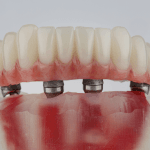
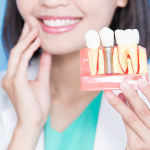
Implant-supported bridges are anchored to titanium posts in the jawbone rather than to adjacent teeth and cost more due to the surgical component. See our post on dental bridge vs implant.
Materials
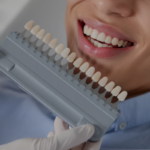
Bridges can be made from porcelain, zirconia, metal, or a combination. Tooth-coloured porcelain and zirconia are the most common choices for visible teeth due to their natural appearance. Materials are chosen based on the location of the bridge and your dentist’s recommendation.
Preparatory Treatment
A bridge requires healthy supporting teeth and gums. If an extraction, root canal, or gum disease treatment is needed before bridge placement, those costs are separate from the bridge fee and add to the overall total.
How Much Is a Bridge for One Tooth?
A single missing tooth does not mean a single-unit restoration. Replacing one missing tooth with a traditional bridge typically requires a three-unit bridge: one pontic (the artificial tooth) plus one crown on each of the adjacent abutment teeth on either side of the gap.
The cost for one missing tooth therefore reflects the cost of a three-unit bridge — typically $2,500 to $5,000 in Ontario depending on material and clinic.
For front teeth, the material selection affects both appearance and cost. Tooth-coloured porcelain or zirconia is standard for visible front teeth and may be priced differently from back-tooth restorations.
How Many Teeth Are Needed for a Bridge?
A traditional bridge needs at least two healthy abutment teeth — one on each side of the gap — to anchor the crowns. These adjacent teeth are prepared under local anesthesia to accommodate the crowns.
Cantilever bridges require only one anchor tooth. Maryland bridges bond to adjacent teeth without full crowns, making them less invasive for certain cases.
If multiple consecutive teeth are missing, the bridge spans more units and requires additional abutment support or an implant-supported design. Your dentist determines the right configuration based on the gap location and the condition of surrounding teeth.
Does Dental Insurance Cover a Bridge?
Most private dental insurance plans classify dental bridges as a major restorative service, typically covering 50% to 80% of the fee subject to your plan’s annual maximum and waiting period.
Insurance plans often require that the tooth was extracted within a set time window before a bridge can be claimed. Review your plan’s missing tooth clause before booking.
A written pre-treatment estimate submitted to your insurer confirms coverage and the balance owing. Delta Park Dental can provide this estimate and confirm direct billing availability at your consultation.
Will the Canadian Dental Care Plan Cover Bridges?
No. Dental bridges are not covered under the Canadian Dental Care Plan (CDCP), administered by Sun Life. The CDCP covers preventative care, basic restorations, and certain major restorations such as crowns and dentures — but not dental bridges.
If you are eligible for CDCP benefits and need tooth replacement, speak with your dentist about which covered services may apply to your situation.
For a full guide to CDCP benefits, see our Canadian Dental Care Plan guide.
Get a Bridge Estimate at Delta Park Dental
If you are missing one or more teeth, the team at Delta Park Dental can provide a written estimate after a clinical exam. We accept most major insurance plans and CDCP benefits — confirm direct billing and payment options at the time of booking.
Delta Park Dental — 215 Delta Park Blvd #104, Brampton, ON L6T 0H9 📞 +1 905-494-0094 | 📧 info@deltaparkdental.com Hours: Mon: 10:00 am – 4:00 pm | Tue–Sat: 10:00 am – 6:00 pm
Frequently Asked Questions
How much would a bridge cost at a dentist?
The cost depends on how many units the bridge requires and the material used. A three-unit traditional bridge in Ontario typically costs $2,500 to $5,000 without insurance. A written itemized estimate after a consultation gives you the most accurate figure for your specific case. To book a consultation, visit our dental bridges Brampton page.
Does a temporary dental bridge cost extra?
A temporary bridge is typically placed after the abutment teeth are prepared and while the permanent bridge is being made in the dental laboratory. Whether the temporary bridge fee is included in the overall bridge cost or billed separately varies by clinic. Ask Delta Park Dental at your consultation appointment to confirm what is included in the bridge fee.
Does a bridge for front teeth cost more than one for back teeth?
The material used for front tooth bridges affects the cost. Tooth-coloured porcelain or zirconia is standard for front teeth to match natural tooth colour, and material choice can affect the total fee. The complexity of shade-matching for visible front teeth may also influence cost. Ask for a material breakdown in your written estimate. For more on what a bridge looks like and how types differ, see our post on what a dental bridge looks like.
What types of dental bridges are used for missing teeth?
The four main types are traditional, cantilever, Maryland (resin-bonded), and implant-supported. Traditional bridges are the most common for most patients. Cantilever bridges work on one anchor tooth. Maryland bridges are less invasive and suit front teeth gaps with lower bite pressure. Implant-supported bridges replace the tooth root and do not require altering adjacent teeth.
Is a dental bridge a good solution if you also have gum disease?
Active gum disease must be treated before a bridge is placed. Placing a bridge over unhealthy gum tissue and bone reduces its long-term stability. If gum disease is present, your dentist will recommend treating it first — which adds time and cost to the overall plan. Regular professional cleanings and good oral hygiene help protect both the bridge and the surrounding teeth after placement.
Every smile is different. For accurate information and personalized treatment options,
book a consultation with the team at Delta Park Dental.