The information on this page is for general educational purposes only.
Please consult your dentist for advice specific to your oral health.
Dental veneers in Ontario cost approximately $1,200 to $2,500 per tooth for porcelain and $500 to $1,200 per tooth for composite resin. The total depends on the number of teeth treated, the material chosen, and whether any preparatory dental work is needed first. Most insurance plans treat veneers as a cosmetic procedure and do not cover them, so the full cost is generally paid out of pocket. This post breaks down per-tooth and full-set pricing, explains what drives the total up or down, and outlines what to expect at a veneer consultation. It is written for adults in Brampton and the GTA who are comparing veneer options before booking an appointment.
Key Takeaways
- Porcelain veneers in Ontario cost approximately $1,200 to $2,500 per tooth.
- Composite veneers cost approximately $500 to $1,200 per tooth.
- A full set of six to ten porcelain veneers typically runs $7,200 to $25,000.
- A full set of composite veneers typically runs $3,000 to $12,000.
- Most dental insurance plans do not cover veneers as they are considered cosmetic.
- The Canadian Dental Care Plan (CDCP), administered by Sun Life, covers basic preventive and restorative care — not cosmetic veneers.
- Candidates must have healthy teeth and gums before veneers can be placed.
- Porcelain veneers last 10 to 20 years; composite veneers typically last 5 to 7 years.
- Enamel removal for porcelain veneers is permanent.
How Much Do Veneers Cost Per Tooth?
The per-tooth cost is the starting point for any veneer estimate. According to Real Dental Costs Canada, Ontario porcelain veneers run $1,200 to $2,500 per tooth province-wide, with a $1,800 average. Suburban GTA clinics typically fall in the lower-to-mid range of that scale, while downtown Toronto clinics tend toward the higher end.
Composite veneers cost considerably less. In the Toronto and GTA area, expect $500 to $1,200 per tooth for composite resin, making them a more accessible option for patients treating several teeth at once.
These are market estimates, not regulated fee guides, and individual clinic pricing varies based on materials, lab relationships, and the complexity of the case.
The most reliable figure for your situation comes from a written estimate after a clinical exam. A dentist cannot accurately quote a veneer case without reviewing your teeth, bite, and enamel in person.
Porcelain vs Composite Veneers: Cost Difference
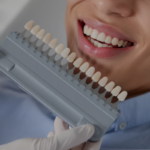
Porcelain and composite veneers both cover the front surface of a tooth to correct colour, shape, or minor alignment concerns — but they differ in material, durability, and price.
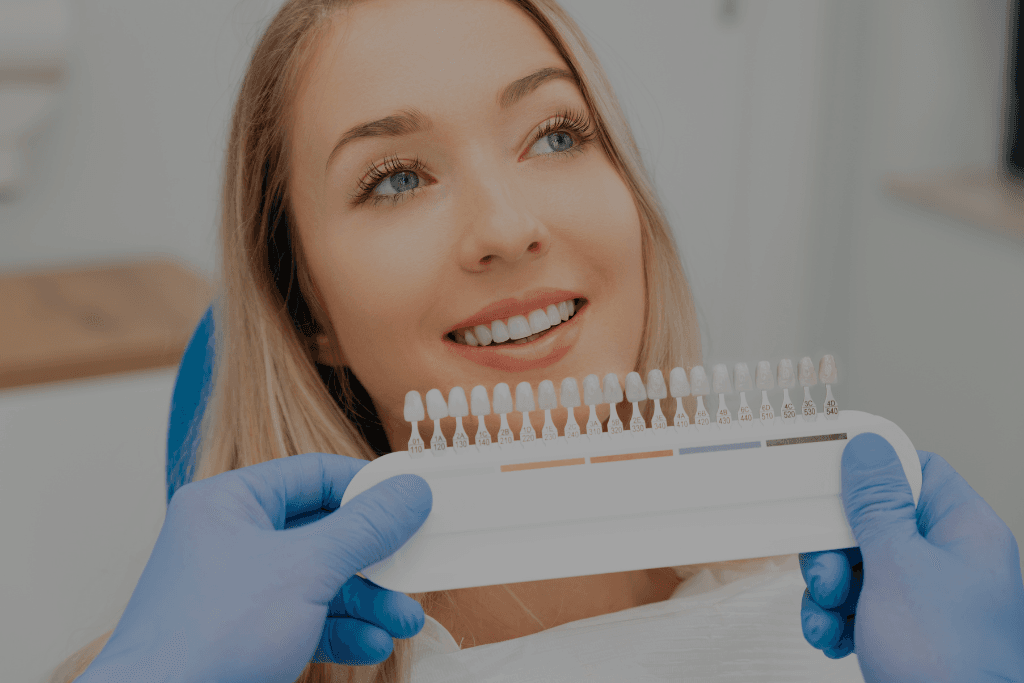
Porcelain veneers are custom-made shells crafted at a dental lab from high-quality ceramic. They resist staining better than natural tooth enamel and are difficult to distinguish from natural teeth. Porcelain veneers typically last 10 to 20 years with proper care. The lab work involved is why the per-tooth cost is higher. According to iFinance Canada, porcelain veneers across Canada range from $1,000 to $2,500 per tooth.
Composite veneers are built directly on the tooth using composite resin — the same material used for tooth-coloured fillings. There is no dental lab involved, so the cost is lower and the procedure can often be completed in one visit. The trade-off is durability: composite veneers typically last 5 to 7 years and are more prone to staining over time than porcelain.
For patients treating misshapen teeth or minor discolouration on a smaller budget, composite veneers are a reasonable starting point. For patients after a long-lasting result that holds its colour, porcelain is generally the better investment. Learn more about the procedure in our guide to dental veneers.
No-prep veneers are a third option that requires little to no enamel removal. Delta Park Dental offers minimal-prep veneers for suitable candidates — your dentist will assess during the consultation whether your teeth and bite qualify.
What Changes the Total Price?
Several factors affect what you actually pay beyond the per-tooth rate:
Number of teeth. Veneers are priced per unit. Treating six front teeth costs roughly three times as much as treating two, though some clinics offer reduced per-unit rates for larger cases.
Porcelain vs composite. As covered above, the material is the single biggest cost variable. Porcelain involves a dental lab and two or more appointments; composite can often be done chair-side in one visit.
No-prep vs traditional preparation. Traditional porcelain veneers require removing up to 0.5mm of enamel to create space. This is a permanent change. No-prep or minimal-prep veneers remove less or no enamel and are slightly thinner, but they suit a narrower range of cosmetic concerns.
Temporary veneers. While waiting for the final porcelain veneers to return from the dental lab — usually one to two weeks — temporary veneers are placed to protect the prepared teeth and maintain appearance. Temporaries add a small cost but are typically included in the overall treatment plan.
Pre-treatment dental work. Active gum disease, untreated cavities, or structural issues must be resolved before veneers are placed. If a root canal, filling, or periodontal treatment is needed first, those costs add to the overall investment. Veneers do not prevent cavities or treat gum disease — they cover the front surface of the tooth only.
Dentist experience and clinic location. Clinics in the GTA’s urban core tend to charge more than those in suburban areas like Brampton, partly due to overhead and partly due to the local market.
Are Veneers Covered by Insurance in Canada?
Most dental insurance plans in Canada classify veneers as a cosmetic treatment and do not cover them. This is the case for the majority of employer-sponsored benefits plans, even when those plans include major restorative coverage.
There are limited exceptions. If a veneer is being placed to restore a structurally damaged front tooth — such as one that has fractured or chipped to the point where a crown would otherwise be needed — some plans may provide partial coverage under their restorative benefit. The coverage determination depends entirely on your specific plan’s language. Always confirm with your insurer before booking treatment.
The Canadian Dental Care Plan (CDCP), administered by Sun Life, covers preventive care, basic restorations, and some major restorative procedures for eligible Canadians. It does not cover veneers placed for cosmetic purposes. If you are unsure whether your CDCP benefit applies to a specific situation, visit canada.ca or contact Sun Life directly.
What a Veneer Consultation Includes
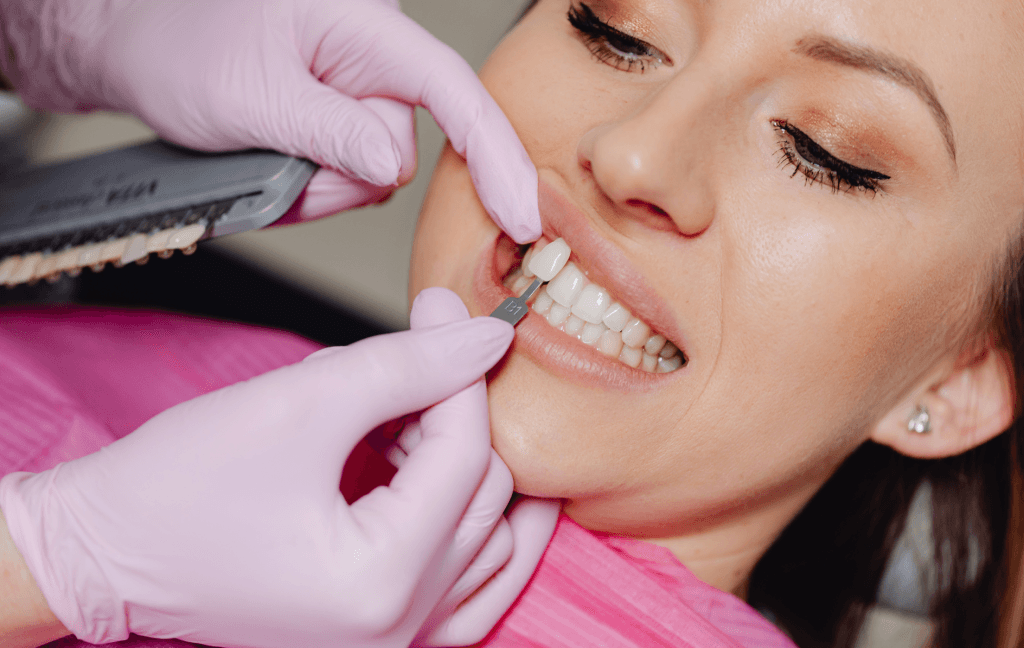
The consultation is where your dentist determines whether veneers are the right treatment option for your smile goals and confirms candidacy based on your oral health.
At Delta Park Dental, the veneer consultation is the first step in any treatment plan. During this visit, Dr. Shilpa Diwan and the team will:
- Assess your overall oral health, including your gums, bite, and existing restorations
- Discuss your smile goals and which teeth you want to address
- Take photographs and, where appropriate, digital scans
- Review before-and-after cases relevant to your concerns
- Outline the procedure, timeline, and what recovery looks like
- Provide a written estimate covering per-tooth cost and total investment
Candidates must have healthy teeth and gums. Extensive cavities must be treated before veneers are placed, and gum disease must be resolved prior to any cosmetic procedure. The consultation is also where your dentist will confirm whether you are a good candidate for porcelain, composite, or minimal-prep veneers based on your bite, enamel health, and cosmetic goals. Contact the clinic directly to confirm whether the initial consultation is complimentary.
Payment Options for Veneers
The cost of veneers is one of the most common questions patients ask before a consultation, and knowing your payment options in advance helps you plan.
Because veneers are typically paid out of pocket, understanding the payment options available at your dental clinic matters before you commit to treatment. Delta Park Dental accepts the Canadian Dental Care Plan (CDCP) via Sun Life for covered services, and the team can walk you through what applies to your case.
For cosmetic treatment not covered by insurance, the clinic offers flexible options to help manage the cost of veneers in Brampton. Call +1 905-494-0094 or email info@deltaparkdental.com to ask about current payment plan arrangements before your consultation.
Frequently Asked Questions
What is the average cost of a dental veneer?
In Ontario, the average cost of a porcelain veneer is approximately $1,800 per tooth, with a province-wide range of $1,200 to $2,500. Composite veneers average less — roughly $500 to $1,200 per tooth in the GTA. See the per-tooth section above for a full breakdown.
How much does a veneer cost at the dentist?
The price you pay at the dental office includes both the dentist’s fee and, for porcelain veneers, a lab fee for the custom fabrication of the shell. For composite veneers, everything is done chair-side so there is no separate lab cost. At Delta Park Dental, contact the clinic for a current per-tooth figure before your first appointment.
How much does it cost to get veneers in Canada?
Veneer pricing varies by province. Ontario is generally one of the higher-cost markets, with porcelain veneers averaging $1,800 per tooth. Quebec and Atlantic Canada tend to be lower. If you are in Brampton or the broader GTA, Ontario pricing applies, and suburban GTA clinics typically fall in a more accessible range than downtown Toronto practices.
Are dental veneers better than dental crowns?
Veneers and crowns serve different purposes. Veneers cover only the front surface of a tooth and are primarily used for cosmetic concerns — staining, chips, gaps, and minor shape issues. Crowns cover or replace the entire tooth structure and are used when a tooth is significantly damaged, decayed, or needs protection after a root canal. Crowns require more enamel removal than veneers. If you are unsure which is right for your situation, our veneer vs crown comparison covers both options in detail.
What are the different types of dental veneers?
The two most common types are porcelain and composite resin veneers. Porcelain is fabricated at a dental lab and is more durable and stain-resistant. Composite is applied directly to the tooth at the dental office in a single visit. No-prep or minimal-prep veneers are a variation that removes little to no enamel — an option for suitable candidates. Veneers can also be made from zirconia, though this is less common for purely cosmetic cases.
Am I a good candidate for dental veneers?
Good candidates have healthy teeth and gums with no active gum disease or untreated cavities. Candidates also need sufficient natural enamel, since a small amount is typically removed for porcelain veneers — a process that is not reversible. Patients who grind their teeth may shorten the lifespan of veneers considerably, and this is something a dentist will discuss during the consultation. A clinical exam is the only reliable way to determine whether veneers are appropriate for your specific situation.
Do veneers damage natural teeth?
Placing traditional porcelain veneers involves removing a thin layer of enamel — typically up to 0.5mm — to accommodate the shell. This is permanent, meaning the tooth will always need a veneer or crown from that point forward. Minimal-prep veneers remove less enamel and, in some cases, none at all. Veneers themselves do not cause damage if maintained properly, but they can chip or crack under heavy pressure such as teeth grinding. Veneers do not prevent cavities; good brushing, flossing, and regular dental care are still required.
What special care do veneers need?
Veneers do not require dramatically different care from natural teeth, but a few habits help extend their lifespan. Brush twice daily with a non-abrasive toothpaste, floss daily, and attend regular professional cleanings. Avoid using your front teeth to bite hard objects, and if you grind your teeth at night, talk to your dentist about a night guard. Porcelain veneers resist staining well, but composite veneers are more porous and may discolour over time with heavy coffee, tea, or wine consumption.
Where can I find a dental clinic in Brampton for veneers?
Delta Park Dental offers dental veneers in Brampton at 215 Delta Park Blvd #104. The team provides porcelain and minimal-prep veneers and can walk you through costs, timelines, and candidacy at your first appointment. You can also read more about veneer results in our top dental veneers Brampton post.
Book a Veneer Consultation at Delta Park Dental
If you are considering dental veneers in Brampton, the team at Delta Park Dental is here to give you a clear picture of costs and options at your consultation.
Delta Park Dental — 215 Delta Park Blvd #104, Brampton, ON L6T 0H9 📞 +1 905-494-0094 | 📧 info@deltaparkdental.com Hours: Mon: 10:00 am – 4:00 pm | Tue–Sat: 10:00 am – 6:00 pm
Every smile is different. For accurate information and personalized treatment options,
book a consultation with the team at Delta Park Dental.