
The information on this page is for general educational purposes only.
Please consult your dentist for advice specific to your oral health.
Yellow teeth are caused by a combination of surface stains and natural aging — and in most cases, the discolouration is treatable. Whether the cause is dietary habits, thinning enamel, or something deeper within the tooth structure, there is an effective fix for nearly every type of yellowing.
This guide covers the 8 most common reasons teeth turn yellow, explains the difference between stain types, and walks through every whitening option available — from what you can do at home to what professional whitening at a dental office actually delivers.
At Delta Park Dental, teeth whitening and discolouration consultations are among the most common cosmetic requests we receive from patients across Brampton. The guidance below reflects real clinical experience — not just product recommendations.
What Makes Teeth Turn Yellow: Extrinsic vs Intrinsic Stains
Not all yellow teeth are the same. Understanding which type of discolouration you have determines which treatments will actually work.
• Extrinsic stains affect the outer layer of tooth enamel. These are surface stains caused by food, drink, tobacco, and poor oral hygiene. Coffee and tobacco are the most common culprits. Extrinsic stains respond well to whitening products, professional cleaning, and improved oral care.
• Intrinsic stains occur deeper within the tooth structure — inside the dentin layer itself. Antibiotics like tetracycline can lead to intrinsic stains, as can trauma, fluorosis, and certain dental materials. Intrinsic stains do not respond to standard whitening treatments and often require dental bonding, dental crowns, or veneers to address.
Aging causes both intrinsic and extrinsic teeth discolouration. As enamel thins over time, the yellow-toned dentin underneath becomes more visible — this is not a surface stain and cannot be fully reversed with whitening alone.
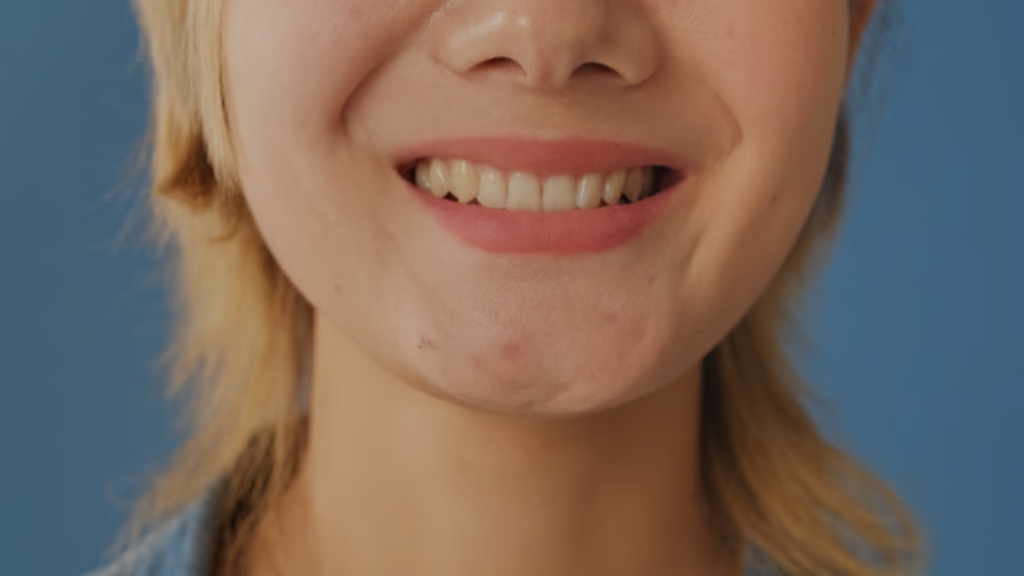
8 Real Reasons Your Teeth Are Turning Yellow
1. Coffee and Tea
Dietary stains from coffee and tea are the leading cause of extrinsic yellowing. Both drinks contain tannins — compounds that bind to tooth enamel and deposit colour. The staining accumulates gradually with daily consumption. Using a straw can minimise contact with staining beverages, and rinsing with water immediately after drinking reduces how much residue adheres to enamel.
2. Tobacco Use
Tobacco use leads to yellowing of teeth faster than almost any other habit. Both smoked and chewed tobacco deposit tar and nicotine into enamel, creating deep yellow and brown stains that are difficult to remove with whitening toothpaste alone. Chewing tobacco also causes significant gum tissue damage over time.
3. Red Wine and Dark Berries
Red wine, dark berries, and deeply pigmented sauces — tomato, soy, balsamic — all stain teeth yellow or brown over time. Like coffee, these foods contain chromogens that bond to enamel. Regular brushing after meals and professional dental cleanings help remove surface stains before they set.
4. Poor Oral Hygiene
Poor dental hygiene contributes to yellow teeth directly. When food particles are not cleared by regular brushing and flossing, plaque builds up on tooth surfaces. Plaque is pale yellow by nature — and as it hardens into tartar, the yellowing intensifies. Maintaining good oral hygiene prevents yellowing and is the first intervention a dental professional will recommend before any whitening treatment.
5. Aging and Enamel Thinning
Aging causes enamel to wear down, revealing the yellow dentin underneath. This is one of the most universal causes of yellowing and explains why adult teeth appear darker than children’s teeth. Enamel thinning is gradual and irreversible — but its visual effect can be offset with professional whitening treatments or cosmetic dental work.
6. Certain Medications
Certain medications can cause intrinsic tooth discolouration that does not respond to whitening. Tetracycline antibiotics — particularly when taken during childhood tooth development — can cause grey or brown banding within the dentin. Antihistamines, antihypertensives, and some antipsychotics have also been linked to enamel discolouration as a side effect.
7. Tooth Decay
A discoloured tooth with a yellow, brown, or grey tint in a specific spot often signals underlying tooth decay. Decay demineralises enamel and causes visible colour change as the structure breaks down. This type of discolouration requires treatment of the decay first — whitening over a decayed tooth is ineffective and can cause significant tooth sensitivity.
8. Previous Dental Work
Older dental materials — including certain types of fillings, dental crowns, and bonding — can discolour over time and appear yellow against natural teeth. Teeth whitening work does not lighten existing dental materials, only natural tooth structure. Patients with visible dental work in their smile zone should discuss this with a dentist before starting any whitening treatment.
Whitening Options Compared: Which One Is Right for You?
| Option | Active Agent | Time Required | Best For | Stain Type |
| Whitening toothpaste | Mild abrasive + low peroxide | Ongoing daily use | Light surface stains | Extrinsic only |
| Whitening strips | Hydrogen peroxide | 30–60 min/day, 1–2 weeks | Mild–moderate stains | Extrinsic |
| Home whitening kits (custom trays) | Carbamide peroxide gel | 30–60 min/day, 2–4 weeks | Moderate staining; supervised | Extrinsic + mild intrinsic |
| In-office teeth whitening | High-concentration H2O2 | ~1 hour, single visit | Significant staining; fast results | Extrinsic + some intrinsic |
| Dental bonding / veneers | No bleaching agent | 1–2 dental appointments | Intrinsic stains; enamel damage | Intrinsic & extrinsic |
How Do Teeth Whitening Products and Treatments Actually Work?
Professional whitening treatments use hydrogen peroxide or carbamide peroxide as the active bleaching agent. These compounds penetrate the enamel and break apart the molecular bonds that create stain colour, effectively lightening the tooth from within the structure.
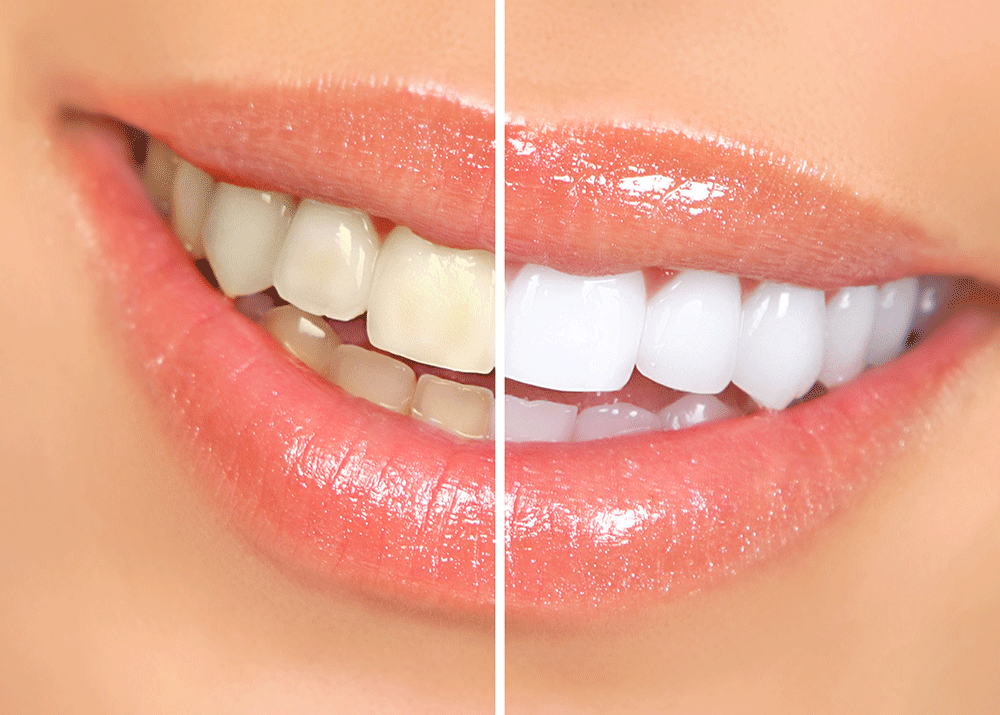
• Professional teeth whitening: In-office whitening takes about one hour to complete. A protective gel is applied to gum tissue before a high-concentration peroxide gel is placed on teeth. Professional whitening can make teeth several shades whiter in a single visit — significantly more than any over-the-counter option.
• Home whitening kits with custom trays: These use a stronger whitening gel dispensed by your dentist into custom-fitted trays. Most at-home whitening treatments require 30- to 60-minute daily use over two to four weeks. Results are comparable to in-office treatment but develop more gradually.
• Over-the-counter whitening products: Over-the-counter whitening products include strips, gels, and rinses containing lower peroxide concentrations. Whitening strips offer an affordable option for teeth brightening with mild staining, but deliver more limited results than professional options. The American Dental Association recommends discussing whitening choices with a dentist before starting, particularly for patients with existing dental work or tooth sensitivity.
• Whitening toothpaste: Whitening toothpaste helps remove surface stains through a combination of mild abrasives and low-level bleaching agents. It is not strong enough to change the underlying tooth colour but is effective for maintenance after professional treatment.
Clinical tip: Baking soda can be used to scrub away stubborn surface stains — but use it sparingly. Used too frequently it can wear enamel. A whitening toothpaste with baking soda provides a gentler alternative for daily use.
What Most Patients Get Wrong About Whitening Yellow Teeth
“All whitening products work the same way.”
The concentration of the bleaching agent makes a significant difference. Over-the-counter strips and gels contain far lower peroxide concentrations than professional options. For moderate to significant staining — especially from tobacco or years of coffee consumption — professional whitening options deliver results that home products simply cannot match.
“Whitening will work on all my teeth equally.”
Teeth whitening work applies only to natural tooth structure. Dental crowns, bonding, and older fillings do not respond to bleaching agents. If you have existing dental work in visible areas of your smile, your dentist needs to know before treatment begins to manage expectations and plan accordingly.
“If whitening causes sensitivity, something is wrong.”
Temporary tooth sensitivity during or after whitening is common — particularly with higher-concentration treatments. It typically resolves within 24 to 48 hours. Using a desensitising toothpaste before and during treatment reduces this significantly. Persistent sensitivity beyond two to three days should be reported to your dental professional.
“Home remedies are just as effective as professional whitening.”
According to the Cleveland Clinic, while some home remedies may offer mild surface stain removal, none produce results comparable to professional whitening. Lemon juice and vinegar — often cited online — can actively erode enamel. Baking soda is the safest home option, but even this works only on surface stains and provides minimal whitening depth.
When Should You Talk to Your Dentist About Yellow Teeth?
See a dentist before starting any whitening treatment if:
• Discolouration is limited to one specific tooth — this can signal decay or nerve damage
• You have existing dental crowns, bonding, or fillings in your smile area
• You have experienced tooth sensitivity during previous whitening attempts
• Yellowing has appeared or worsened quickly without obvious cause
• You have active gum disease, decay, or have not had a cleaning in over a year
Whitening is a cosmetic treatment — and like all cosmetic treatments, it delivers the best results when built on a foundation of good oral health. A professional assessment ensures your whitening treatment is safe, effective, and appropriate for your specific discolouration type.
Why Brampton Patients Choose Delta Park Dental for Teeth Whitening
Our approach to cosmetic dentistry starts with an honest assessment of what will actually work for your teeth — not a one-size-fits-all whitening package.
• In-office whitening with professional-grade hydrogen peroxide for fast, visible results
• Custom take-home trays with carbamide peroxide gel for gradual, supervised whitening
• Assessment of intrinsic stains — with dental bonding or crown options where whitening will not work
• Sensitivity management built into every whitening plan
• CDCP and major insurance accepted for dental assessments
Whether you are looking for a dazzling smile for an upcoming event or a gradual improvement you can maintain long-term, we will match the right whitening method to your teeth, your timeline, and your goals.
Frequently Asked Questions: Yellow Teeth & Whitening
Q1. Why are my teeth turning yellow even though I brush regularly?
Regular brushing removes surface debris but cannot fully counteract all causes of yellowing. Thinning enamel — a natural result of aging — reveals the yellow-toned dentin underneath, and no amount of brushing reverses this. Dietary stains from coffee, tea, and red wine penetrate enamel over time. If you brush consistently but still notice yellowing, a professional dental cleaning followed by an assessment of your whitening options is the right next step.
Q2. Do over-the-counter whitening products actually work?
Over-the-counter whitening products — strips, gels, and rinses — can improve mild surface staining with consistent use. They contain lower peroxide concentrations than professional treatments, so results are more gradual and limited in scope. For moderate to heavy staining, or for patients with intrinsic stains, over-the-counter options typically do not deliver meaningful results. The Cleveland Clinic and the American Dental Association both recommend consulting a dental professional before starting whitening, particularly for patients with existing dental work.
Q3. What is the difference between in-office teeth whitening and home kits?
In-office teeth whitening uses high-concentration hydrogen peroxide applied under protective conditions in a dental office, taking about one hour and producing results of several shades in a single visit. Home whitening kits use custom trays with carbamide peroxide gel at a lower concentration, applied for 30 to 60 minutes daily over two to four weeks. Both are professionally supervised and more effective than over-the-counter products. The choice depends on how quickly you want results and your level of tooth sensitivity.
Q4. Can whitening products fix intrinsic teeth stains?
Standard whitening products have limited effect on intrinsic stains — those that occur within the tooth’s dentin layer rather than on its surface. Intrinsic discolouration from tetracycline antibiotics, fluorosis, or trauma typically does not respond to peroxide-based whitening. In these cases, dental bonding, veneers, or dental crowns are more appropriate solutions. A dentist can identify which type of staining you have and recommend the right approach before you invest in whitening products that may not work.
Q5. What professional whitening options are available at Delta Park Dental?
We offer two primary professional whitening options: in-office whitening for fast, visible results in a single appointment, and custom take-home trays with professional-grade whitening gel for gradual improvement over two to four weeks. Both use hydrogen peroxide or carbamide peroxide concentrations well above what is available over the counter. We also assess whether dental bonding or other cosmetic options are better suited to your type of discolouration before recommending a whitening path.
Delta Park Dental | Brampton, Ontario | Family, Cosmetic & Emergency Dentistry
Every smile is different. For accurate information and personalized treatment options,
book a consultation with the team at Delta Park Dental.