



The information on this page is for general educational purposes only. Please consult your dentist for advice specific to your oral health.
A bright smile can change how you feel each day. Many people notice that their teeth look darker over time. Coffee, tea, smoking, red wine, and some foods can leave stains on teeth. Age can also affect tooth color. When this happens, many patients ask one common question: how long does professional teeth whitening last?
This is an important question because patients want safe care, clear results, and good value. They also want to know the teeth whitening cost, expected treatment time, and if they may feel tooth sensitivity. Professional whitening can help whiten teeth, improve confidence, and create a brighter smile.
At Delta Park Dental in Brampton, many people ask how to whiten your teeth in a safe and lasting way. This guide explains how whitening works, how long it may last, and what affects your results.
Teeth whitening results and how long they last
Professional teeth whitening treatments can last from several months to a few years. Results depend on various factors such as daily habits, food choices, enamel condition, and home care. Some people keep whiter teeth longer because they follow strong oral hygiene habits and attend regular dental visits.
If you drink coffee, tea, or red wine often, you may notice stains return sooner. Tobacco can also stain teeth and reduce the life of whitening results. Patients who brush well, floss, and limit stain-causing foods often keep their radiant smile longer.
The level of starting discoloration also matters. Teeth with deeper stains may need more than one treatment to reach the desired results.
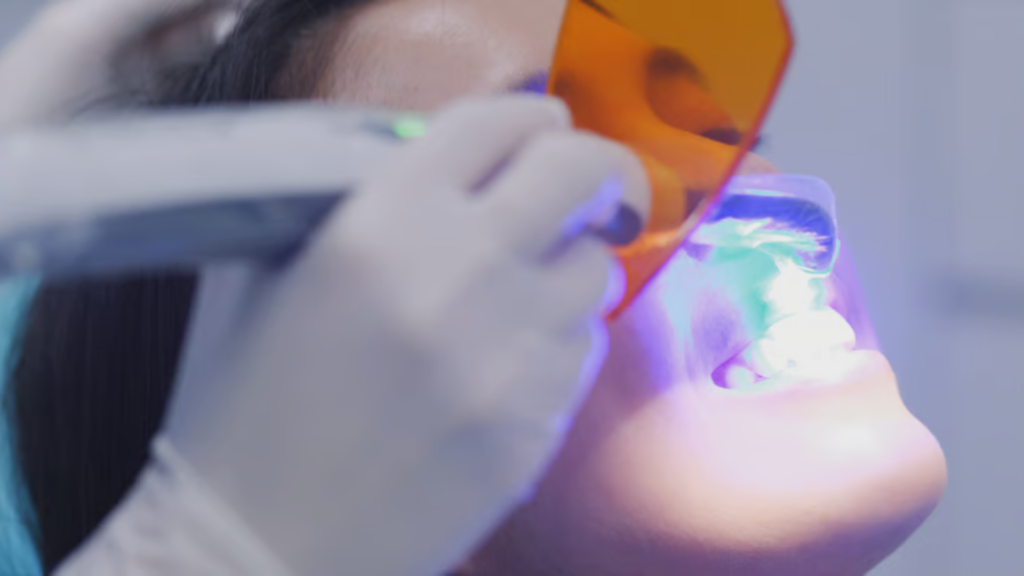
Teeth whitening procedure with hydrogen peroxide
Most professional whitening uses hydrogen peroxide or carbamide peroxide. These are common active ingredients used in many teeth whitening products. Hydrogen peroxide acts as a natural bleaching agent that breaks down stains inside the tooth surface.
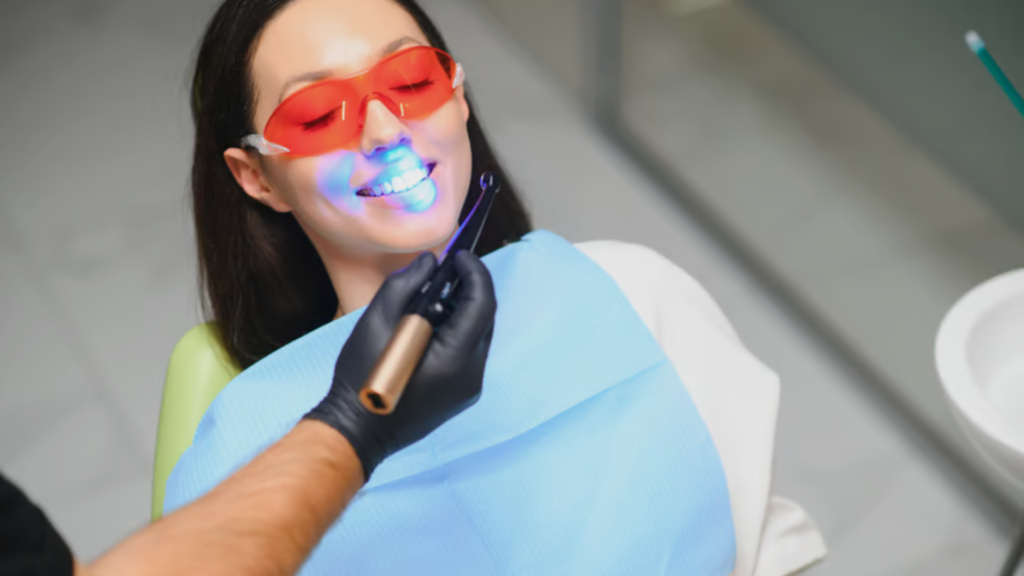
A standard teeth whitening procedure begins with an exam. The dentist checks gums, enamel, and current tooth shade. The gums are protected before the whitening gel is placed on the teeth. Some systems use led lights during treatment. The gel stays on the teeth for a set treatment time.
Because a dental clinic uses a high concentration formula under supervision, many patients see noticeable results after one visit. Some patients want more change and may need another session.
Oral health and keeping a brighter smile
Good oral health supports whitening results. Clean teeth hold less plaque and fewer surface stains. Brushing twice each day, using dental floss, and keeping regular exams all help maintain a brighter smile.
When plaque builds up, stains can attach more easily. This can dull your smile sooner. Good habits also support the gums and protect tooth enamel.
Many patients ask if whitening helps health. Whitening is cosmetic, but it often motivates better care. Patients who like their smile may brush more often and improve daily routines.
Brighter smile and stains from certain foods
Many daily foods and drinks can cause stains after whitening. Certain foods such as curry, tomato sauce, soy sauce, and dark berries may affect shade over time. Drinks like tea, coffee, cola, and red wine are common causes of stains.
After whitening, it helps to rinse with water after meals. This simple step can reduce direct contact between pigments and teeth. Some patients use a straw for dark drinks. These small habits can help keep a dazzling smile longer.
Sugar also matters. High sugar intake can feed bacteria in the mouth. Bacteria may raise plaque levels, which can hold stains more easily.
Baking soda and whitening toothpaste options
Some people try baking soda or whitening toothpaste at home. These methods may remove surface stains from coffee or tea. Baking soda works as a mild abrasive. Whitening toothpaste may help polish teeth and clean light stains.
These products can help brighten teeth, but they usually do not treat deeper tooth discoloration. They also do not match the strength of professional treatments.
Use care when brushing with abrasive products. Hard scrubbing during brushing may wear enamel over time.
Sensitive teeth and tooth sensitivity after treatment
Many patients ask about sensitive teeth before whitening. Some people feel cold sensitivity after treatment. This is common and often short term. Many patients notice temporary tooth sensitivity for a day or two.
Some may also feel mild gum irritation if gel touches the gums. Dentists take steps to limit this by protecting soft tissue before treatment.
If you already have sensitive teeth, tell your dentist. They may change the gel strength, shorten treatment time, or suggest products that help sensitivity. This makes whitening more comfortable.
Naturally whiten teeth and natural methods
Many people search online for ways to naturally whiten teeth. Popular natural methods include coconut oil, oil pulling, baking soda, and fruit-based ideas.
Oil pulling often means swishing oil in the mouth for several minutes. Some believe it may kill bacteria or remove bacteria. It may support fresh breath and routine cleaning, but it does not create the same change as professional whitening.
Some people ask about fruit acids. Malic acid in some fruits and acetic acid in vinegar may affect stains, but they can also irritate enamel. Natural methods should be used with care.
How much does teeth whitening cost
Many patients ask, how much does teeth whitening cost? The answer depends on the whitening method, current stains, and goals. In-office whitening often costs more than store kits because it uses stronger materials and supervised care.
The whitening cost may depend on:
The level of discoloration.
The number of sessions needed.
The type of gel used.
The clinic location.
The total overall cost of follow-up care.
Some people choose take-home trays or teeth whitening kits. Others try teeth whitening strips or whitening strips sold in stores. These may cost less, but results may take longer and can vary.
Apple cider vinegar and home remedies
Some online tips recommend apple cider vinegar for whitening. Vinegar contains acetic acid, which is acidic. Frequent acid contact may weaken enamel and increase sensitivity.
Because of this risk, patients should avoid repeated use of vinegar on teeth. It is safer to ask a dentist before trying strong home remedies.
Professional care focuses on proven bleaching techniques and safe application.
Professional cleaning before whitening
A professional cleaning can help before whitening starts. Clean teeth allow gel to contact the tooth surface more evenly. A cleaning can also remove plaque and light stains.
Many patients get better results when whitening follows a cleaning. This step also supports gum health and overall care.
If heavy tartar or plaque is present, your dentist may suggest cleaning first.
Insurance coverage and planning treatment
Most whitening falls under cosmetic care, so insurance coverage may be limited. Plans differ, so patients should check their policy.
Before treatment, the dentist reviews your goals, enamel health, and stain level. They can explain the likely result and give an accurate estimate of fees and treatment steps.
This planning helps patients understand the process and feel ready.
Why choose Delta Park Dental
At Delta Park Dental, patients receive clear advice and personalized care. Many people want a brighter smile but feel unsure about products or cost. The team explains options in simple terms.
Patients in Brampton choose this dental clinic because it offers guidance, safe treatment planning, and support from experienced dentists. The focus stays on comfort, results, and long-term oral health.
FAQs
1. How long does professional teeth whitening last?
Professional whitening may last several months to a few years. Daily habits, foods, and oral hygiene affect results.
2. Do teeth whitening strips work?
Teeth whitening strips can help with light stains. Professional treatment often gives faster and stronger results.
3. Can whitening damage enamel?
When supervised by a dentist and used as directed, whitening is considered safe for many patients.
4. Will whitening remove all discoloration?
Whitening helps many stains, but some deep discoloration may need more treatment or may respond less.
5. How can I keep my teeth white longer?
Brush well, floss daily, reduce stain-causing foods, and book regular dental visits.
Conclusion
Professional whitening can improve tooth shade, reduce stains, and give a brighter smile. Results depend on your habits, enamel, and follow-up care. Strong oral hygiene and smart food choices help maintain results.
If you want to whiten your teeth and understand the best options, book a consultation with Delta Park Dental in Brampton. A custom plan can help you reach the smile you want with confidence.
Every smile is different. For accurate information and personalized treatment options, book a consultation with the team at Delta Park Dental.