


The information on this page is for general educational purposes only.
Please consult your dentist for advice specific to your oral health.
Dental crowns can last anywhere from five to fifteen years — and in many cases significantly longer — depending on the crown material chosen, where the crown is placed in the mouth, and how well oral hygiene habits are maintained. A dental crown is a custom-made, tooth-shaped cap that covers a damaged tooth entirely, restoring its shape, strength, and appearance.
If you have been told you need a crown — or are wondering whether an existing one needs replacing — this guide covers everything: what crowns are made of, how the crown procedure works, how long each type lasts, and what affects the overall cost in Ontario.
At Delta Park Dental, we place dental crowns for patients across Brampton who have broken teeth, damaged teeth following root canal treatment, or teeth requiring cosmetic restoration. The information below reflects real clinical experience — consistent with guidance from the American Dental Association.
What Is a Dental Crown and When Do You Need One?
A dental crown is a custom crown — a tooth-shaped cap cemented over an entire tooth to restore it when a filling alone is not sufficient. Crowns are used to:
• Protect a broken tooth or cracked tooth from further damage
• Restore severely decayed teeth where little natural tooth structure remains
• Strengthen a tooth after root canal treatment, which leaves the tooth brittle
• Cover dental implants as the visible, functional top component
• Anchor a dental bridge over a missing tooth
• Improve the appearance of discoloured, misshapen, or worn visible teeth
Many dentists also recommend a crown for cosmetic reasons — particularly on front teeth where appearance and natural look are priorities. Dental caps are the same as crowns; the terms are interchangeable in clinical practice.
What Are the Different Types of Dental Crowns?
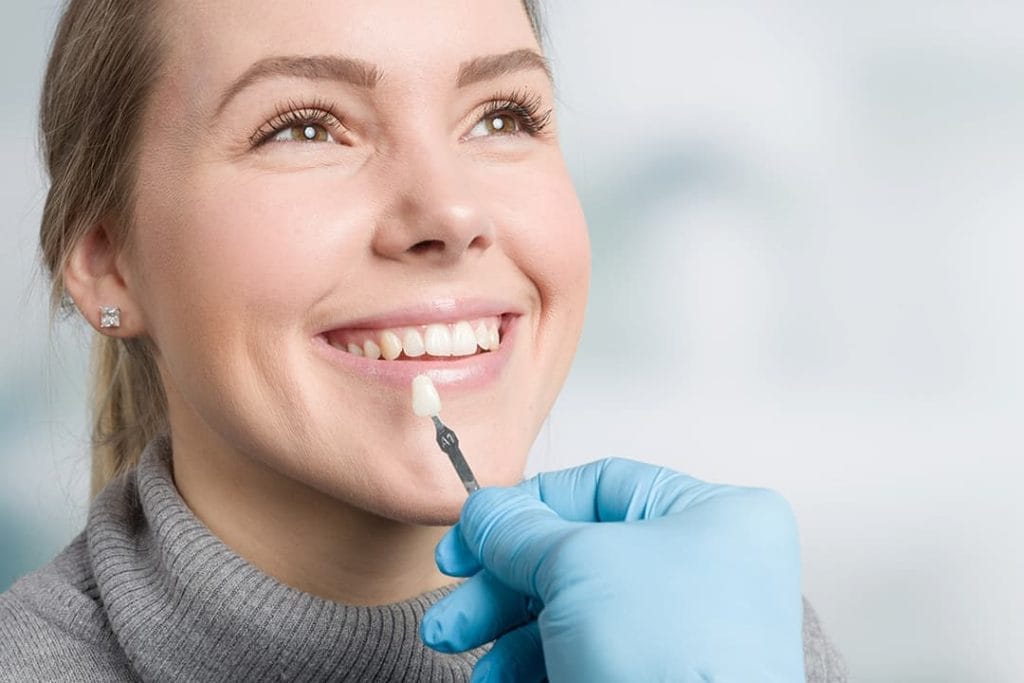
Tooth crowns — also called dental caps — can be made from porcelain, metal, zirconia, or a combination of different materials. The types of crowns available today vary significantly in strength, appearance, and cost. The right choice depends on where the tooth sits in the mouth, your bite, your budget, and whether you have metal allergies.
Porcelain or Ceramic Crowns
All-ceramic crowns and all porcelain crowns mimic natural tooth enamel appearance more closely than any other material, making them the preferred choice for front teeth and visible teeth. Pressed ceramic crowns have a hard inner core made of ceramic for added strength. Ceramic crowns are metal free and suitable for patients with metal allergies.
Zirconia Crowns
Zirconia crowns are made from zirconium dioxide — an extremely durable, tooth-coloured material that combines the aesthetics of ceramic with strength approaching metal. They are increasingly popular for both back teeth and front surface restorations. Zirconia is biocompatible, metal free, and offers a natural look without the metallic color of older alloys.
Porcelain Fused to Metal Crowns
Porcelain fused to metal (PFM) crowns combine a metal substructure with a porcelain outer layer. PFM crowns offer durability and a tooth-coloured appearance — but over time the porcelain front surface can chip and a dark line may appear at the gum line as it recedes. They remain a reliable, cost-effective option for back teeth.
Gold Crowns and Metal Crowns
Metal crowns are made from gold, palladium, nickel, or chromium. Gold crowns and gold alloy crowns are extremely durable, rarely chip, and require less tooth removal than other crown types. Their metallic color makes them most suitable for back teeth where visibility is low. Metal crowns are still recommended for patients who grind heavily or have a very strong bite.
Same-Day Crowns
Same day crowns can be created using CAD/CAM technology — a digital scan of the prepared tooth is used to mill a ceramic crown in-office during the same appointment. This eliminates the need for a temporary crown and a second visit. Same day crowns are made from all ceramic or zirconia materials and suit patients who cannot easily attend two appointments.
Types of Dental Crowns at a Glance
| Type | Material | Appearance | Best For | Durability |
| All ceramic | Pressed ceramic | Excellent — matches enamel | Front teeth | Good (10–15 yrs) |
| Zirconia | Zirconium dioxide | Very good | Front & back teeth | Very high (15+ yrs) |
| PFM crowns | Metal + porcelain | Good (may show metal line) | Back teeth | High (10–15 yrs) |
| Gold crowns | Gold alloy | Metallic — visible | Back teeth, heavy grinders | Highest (15–25 yrs) |
| Same-day crowns | Ceramic / zirconia | Good to very good | Any tooth (CAD/CAM) | Good (8–15 yrs) |
How Long Do Dental Crowns Last?
Crowns last from five to fifteen years with proper care — but this range is conservative. Many patients keep their crowns in good condition for twenty years or longer. The lifespan depends on several factors:
• Crown material — gold crowns and zirconia crowns are the most durable; all ceramic crowns may chip under heavy bite pressure
• Location — back teeth bear more chewing force than front teeth, placing more stress on the crown
• Oral hygiene habits — crowns protect the visible tooth structure but the tooth underneath can still decay at the margin. Good oral hygiene prevents this
• Teeth grinding — patients who grind heavily wear crowns faster regardless of material
• How well the crown fits — a properly fitted final crown with clean margins lasts significantly longer than a poorly sealed one
Clinical tip: The area where the crown meets the tooth — called the margin — is the most vulnerable point. Brushing along the gum line and using dental floss around every crown daily protects this junction and extends the life of the restoration significantly.
What Does the Dental Crown Procedure Involve?
The crown procedure typically requires one or two dental visits, depending on whether your dentist uses a dental lab or in-office CAD/CAM technology.
• Visit one: The tooth is prepared — shaped and reduced to allow the crown to fit. Local anaesthetic may be used to minimise discomfort. A digital scan or impression is taken. A temporary crown is placed to protect the prepared tooth while the permanent crown is made.
• Lab phase: Dental lab fees cover the fabrication of the custom crown from the chosen crown material. This typically takes one to two weeks.
• Visit two: The temporary crown is removed, the final crown is checked for fit and bite, then cemented in place using dental cement or adhesive.
With same day crowns, the entire process — scan, mill, fit, and cement — is completed in a single appointment. No temporary crown is needed and no lab fees apply.
What Does Dental Crown Cost Look Like in Ontario?
Dental crown cost in Ontario ranges from approximately $1,100 to $2,500 per single crown, depending on crown material, additional procedures needed, and lab fees. The average cost is similar across types — gold crowns, porcelain crowns, PFM crowns, and zirconia crowns are all typically priced similarly by many dentists in Ontario.
Dental lab fees significantly influence the overall cost. In-office same day crowns eliminate lab fees but require the appropriate CAD/CAM equipment. Additional procedures such as root canal treatment, filling material build-up, or dental surgery to expose the tooth root will add to the total cost.
Dental insurance and dental coverage: many dental insurance plans provide partial dental coverage for crowns — typically 50 percent of the fee up to an annual maximum. Always verify your dental coverage before treatment, as some plans distinguish between coverage for porcelain crowns on front teeth versus back teeth, or exclude cosmetic reasons for crowning. Ontario ranges for crown fees are set by the ODA fee guide, which most dentists use as their baseline.
What Most Patients Get Wrong About Dental Crowns
“My crown means that tooth is protected forever.”
A crown covers the visible tooth structure — it does not protect the margin where the crown meets the tooth. Decay at this junction is one of the most common reasons crowns fail early. Good oral hygiene habits around a crown are as essential as on natural teeth.
“A temporary crown is fine to leave for a while.”
A temporary crown is not sealed firmly — it is designed to be removed. Leaving it too long risks it coming off or bacteria entering the preparation. Visit your dentist promptly so the final crown can be fitted and cemented.
“All porcelain crowns look the same.”
Porcelain or ceramic crowns vary in quality depending on the lab and material. A well-made zirconia or pressed ceramic crown closely mimics natural teeth. Discuss your expectations before the crown is ordered — shade-matching and translucency differ significantly between materials.
What Brampton Patients Should Know About Dental Crowns and Dental Health
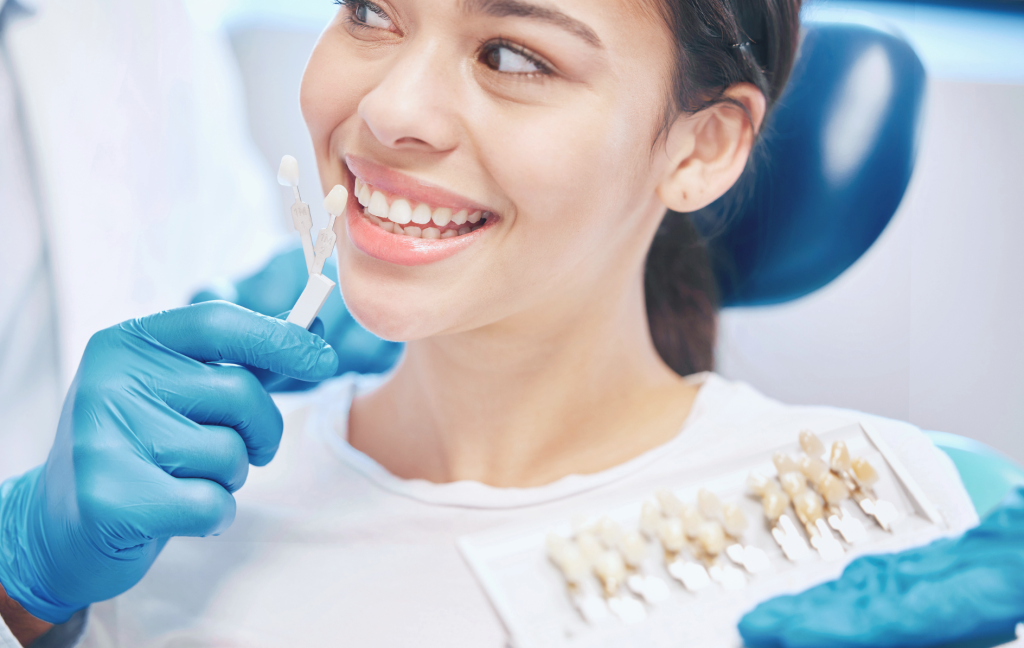
At Delta Park Dental, we discuss crown material options with every patient before preparing a tooth. The right crown for a back molar differs from the right crown for a front tooth — function, aesthetics, bite force, and dental coverage all factor into the recommendation.
Patients who have had root canal treatment should not delay getting a crown. A tooth without crown protection after root canal can fracture under normal chewing. Replacing a fractured tooth — which may require a dental implant — costs significantly more than placing the crown promptly.
For patients with dental implants, the crown that covers the implant is subject to the same material choices and lifespan considerations as a natural tooth crown. Dental care and dental health maintenance — visiting your dentist regularly, maintaining oral health, and avoiding ice and hard foods — applies equally to implant-supported crowns.
When Should You See a Dentist About Your Dental Crown?
Book an appointment promptly if you:
• Feel pain or sensitivity under an existing crown — this may indicate decay at the margin or root canal involvement
• Notice the crown feels loose, moves, or has come off entirely
• See a dark line appearing at the gum line of a PFM crown — this is the metal substructure becoming visible
• Chip or crack the porcelain surface of your crown
• Have had your crown for more than ten years and have not had it assessed recently
Crowns protect teeth from further damage but need the same attention as natural teeth. Regular check-ups catch margin decay and wear before the crown fails entirely.
Why Brampton Patients Choose Delta Park Dental for Crown Treatment
We match the crown material to the clinical situation — not just patient preference or cost. Our team discusses the options, the crown procedure steps, what dental insurance typically covers, and the expected lifespan of each material before any tooth is prepared.
• All crown types available — ceramic, zirconia, PFM, and gold alloy
• Root canal treatment and crown placement available in-office
• Clear fee discussions with dental coverage review before treatment
• CDCP and major insurance plans accepted
• Personalised oral hygiene guidance to extend crown lifespan
Whether you need a single crown on a broken tooth or multiple dental caps as part of a broader restoration plan, our Brampton team delivers careful, transparent care from preparation through to the final crown fitting.

Frequently Asked Questions: Dental Crowns
Q1. How long do dental crowns last on average?
Crowns last from five to fifteen years with proper care, though many last twenty years or longer. Zirconia crowns and gold crowns are the most durable options. All ceramic crowns suit front teeth well but may chip under heavy bite pressure. Good oral hygiene habits, avoiding grinding without a mouth guard, and visiting your dentist regularly all extend crown lifespan significantly. An existing crown that is well-maintained and properly sealed at the margin can last well beyond the average range.
Q2. What does dental crown cost look like in Ontario?
Dental crown cost in Ontario ranges from $1,100 to $2,500. Most crown types average around $1,200. Dental lab fees, additional procedures such as root canal treatment, and crown material all affect the total cost. Many dental insurance plans cover 50 percent up to an annual maximum. At Delta Park Dental, we review your dental coverage before treatment so there are no surprises.
Q3. What is the dental crown procedure like?
The crown procedure typically takes two appointments. At the first visit, the tooth is shaped under local anaesthetic, a scan or impression is taken, and a temporary crown is placed. At the second visit — usually one to two weeks later — the final crown is fitted and cemented. Same day crowns, using CAD/CAM technology, complete the entire procedure in one appointment with no temporary crown required. The procedure is straightforward and most patients do not feel pain during or after, beyond mild post-appointment sensitivity.
Q4. Are all ceramic crowns suitable for back teeth?
All ceramic crowns can be used on back teeth, but zirconia crowns are generally preferred for molars due to their superior strength. Standard pressed ceramic crowns may chip under the heavy chewing forces back teeth generate. For patients who prioritise a metal free, natural look throughout the mouth, zirconia is the most appropriate all ceramic option for back teeth. Your dentist will assess your bite, grinding habits, and tooth position before recommending a crown material.
Q5. Does dental coverage cover dental crowns?
Most dental insurance plans provide partial dental coverage for crowns — typically 50 percent of the eligible fee, subject to an annual maximum. Some plans specify coverage only for porcelain crowns on front teeth, or pay the cost of a metal crown regardless of which material you choose for back teeth. Lab fees and additional procedures such as root canal treatment are usually billed separately. Always verify your dental coverage with your insurer and ask your dental office to provide a pre-treatment estimate before your crown procedure be
Delta Park Dental | Brampton, Ontario | Family, Cosmetic & Emergency Dentistry
Every smile is different. For accurate information and personalized treatment options,
book a consultation with the team at Delta Park Dental.