



The information on this page is for general educational purposes only. Please consult your dentist for advice specific to your oral health.
Losing a tooth can change your life in an instant. It affects your chewing ability and your confidence. You might feel shy when you speak or smile. Many people use dental bridges to solve this problem. A bridge fills the gap where missing teeth used to be. However, dental bridges can sometimes break or come loose. You might feel a sharp edge or notice the bridge moving. This is a common concern for patients in Brampton. You’re not far from rocking your smile with confidence once again. With so many types of dental bridges available, you and your dentist can easily find the best fit for you! At Delta Park Dental, we help you restore your complete and confident smile. We focus on your oral health to ensure your new teeth stay strong.
Understanding Dental Bridges and How They Work
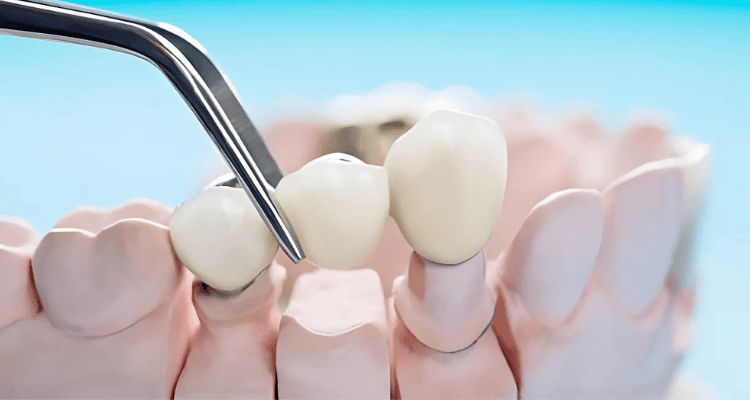
Dental bridges are a reliable way to replace missing teeth. A bridge consists of an artificial tooth called a pontic. This pontic is held in place by supporting teeth on either side. These supporting teeth are known as abutment teeth. The bridge creates a literal bridge over the space left by tooth loss.
Most bridges are fixed bridges, meaning you cannot remove them. They stay in place with dental cement. This allows you to eat and speak properly again. We use custom bridges to match the color and shape of your natural teeth. Our goal is to provide a long term solution for your smile. We want you to feel comfortable with your dental work every day.
Comparing Dental Implants and Bridges
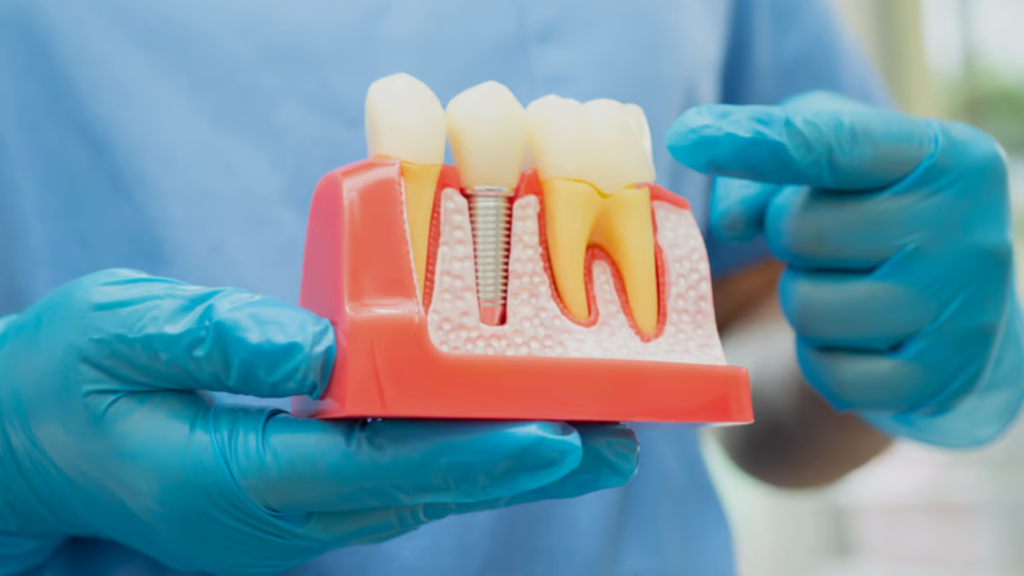
When a bridge breaks, you might consider dental implants. Dental implants are a different way to replace missing teeth. An implant uses a metal post to replace missing teeth roots. This post is placed into the jawbone during a surgery appointment.
Unlike traditional bridges, implants do not rely on adjacent teeth. They stand alone and help prevent bone loss in the jaw. Some patients choose dental implant supported bridges. This is an implant supported bridge that covers a larger gap. It uses implant abutments instead of natural teeth. We help you weigh your personal preferences against your dental needs. Both options can give you a confident smile.
The Dental Bridge Procedure for Repair
The dental bridge procedure for a fix starts with a visit to our office. We examine the bridge and the abutment teeth. If the bridge is just loose, we can often reattach it. We clean the area and apply dental etch to the teeth. Then, we use dental resin cement to bond it back in place.
If the bridge is broken, we may need to create custom bridges to replace it. This requires several office visits. During the first visit, we take dental impressions. We send these to a dental laboratory. While the lab creates your final bridge, we provide a temporary bridge. We use local anesthesia to ensure you stay comfortable. Our team guides you through every step of the dental procedure.
Replacing Dental Crowns on Abutment Teeth
Many dental bridges use dental crowns to stay in place. These crowns sit on top of the abutment teeth. If a crown cracks, the whole bridge becomes weak. This can leave exposed teeth open to decay. We must check the health of the supporting teeth regularly.
If the healthy teeth underneath are damaged, we must treat them first. We remove any decay before we place a new bridge. We use high-quality materials from a dental lab for our crowns. This ensures the bridge can handle chewing forces without breaking. We focus on protecting your healthy natural teeth for the long term.
The Role of Maryland Bridges in Front Teeth
Maryland bridges are often used for front teeth. These are also known as resin bonded bridges. Instead of crowns, they use metal wings to attach to the back of other teeth. This means we do not have to shape the adjacent teeth as much. The type of bridge you receive may consist of one or more abutments and one or more pontics, depending on your specific situation.
Maryland bridges are a conservative choice for tooth loss. They are not usually used for back teeth because they cannot handle heavy chewing ability. If a wing comes loose, we can often bond it again with dental resin cement. We check the bond at your regular checkups. This type of bridge is a great way to maintain a complete and confident smile.
When to Use Cantilever Bridges
Cantilever bridges are used when there is only one abutment tooth. This happens when there is only one tooth next to the gap. The bridge is supported on just one side. A cantilever dental bridge is less common than a traditional dental bridge.
A cantilever dental bridge must be placed carefully. It can put extra stress on the single supporting tooth. We often use them for areas that do not do much heavy chewing. If you have a cantilever dental bridge, you must be careful with hard objects. We monitor these bridges closely to ensure the abutment teeth stay strong.
Choosing an Implant Supported Bridge
An implant supported bridge is very strong. It uses tiny connector posts called implant abutments. These posts are attached to dental implants in the bone. This type of implant supported work does not involve your natural teeth.
An implant supported bridge is great for people with several missing teeth in a row. It can involve one surgery appointment or two. Once the implants heal, we attach the bridge using tiny screws. This provides a very stable and long term solution. It helps you avoid the need for partial dentures. We discuss if you are a candidate for implant supported options during your visit.
The Unique Design of a Cantilever Dental Bridge
The design of a cantilever dental bridge is unique. It hangs over the gap and attaches to one or more abutments on one side. This is different from a traditional or cantilever bridge that uses two sides. We use this when the adjacent teeth are only available on one side.
We check the chewing forces on a cantilever dental bridge at every visit. If it feels loose, it needs immediate attention. We use dental cement to keep it stable. Proper planning is vital for a cantilever dental bridge to succeed. We ensure the supporting teeth are healthy and strong enough for the task.
Stability Through Implant Supported Solutions
Being implant supported offers the most stability for your mouth. You do not have to worry about the bridge slipping or falling out. It feels very much like your natural teeth. This is because the metal post acts like a real root.
We use dental impressions to make the bridge fit your bite perfectly. Implant supported bridges help maintain your facial shape. They prevent the bone from shrinking where teeth are missing. This is a major benefit for your long-term oral health. We provide professional cleanings to keep the area around the implants clean.
Maintaining Your Oral Health and Bridge
Your oral health is the key to a lasting bridge. You must practice good oral hygiene every day. This includes brushing and flossing around the dental bridges. We recommend using interdental brushes to clean under the pontic.
You should visit the dentist regularly for checkups. We look for signs of gum disease or decay on the abutment teeth. Proper care can help your bridge last for many years. We provide professional cleanings in our dental offices to remove plaque. Taking care of your other teeth also helps support your bridge. We want to help you keep your complete and confident smile for life.
Frequently Asked Questions
1. Can a cracked tooth bridge be fixed?
It depends on the damage. If the porcelain is chipped, we might smooth it. If the structure is broken, you likely need a new bridge from a dental lab.
2. How long do dental bridges usually last?
With proper care and good oral hygiene, a bridge can last 5 to 15 years. Visiting your dentist regularly helps increase its lifespan.
3. Does getting a bridge fixed hurt?
We use local anesthesia for most repairs. The process is usually very comfortable and stress free.
4. What is the difference between a traditional and a cantilever bridge?
A traditional bridge uses two supporting teeth. A cantilever dental bridge uses only one side for support.
5. Can I get dental implants if my bridge fails?
Yes. Many patients switch to implant supported options if their natural teeth can no longer support a bridge.
6. Are bridges safer than implants?
Bridges aren’t necessarily safer than implants. It depends on factors such as procedure, surrounding teeth, and long-term health.
Take the Next Step for Your Smile
You do not have to live with a broken bridge. We can help you find the best way to replace missing teeth. Whether you need a repair or an implant supported bridge, we are here for you. Our team provides quality care in a warm environment. We focus on your comfort and your oral health.
Book an appointment at Delta Park Dental today to talk to a dental professional and get your smile back on track.
Every smile is different. For accurate information and personalized treatment options, book a consultation with the team at Delta Park Dental.