



The information on this page is for general educational purposes only.
Please consult your dentist for advice specific to your oral health.
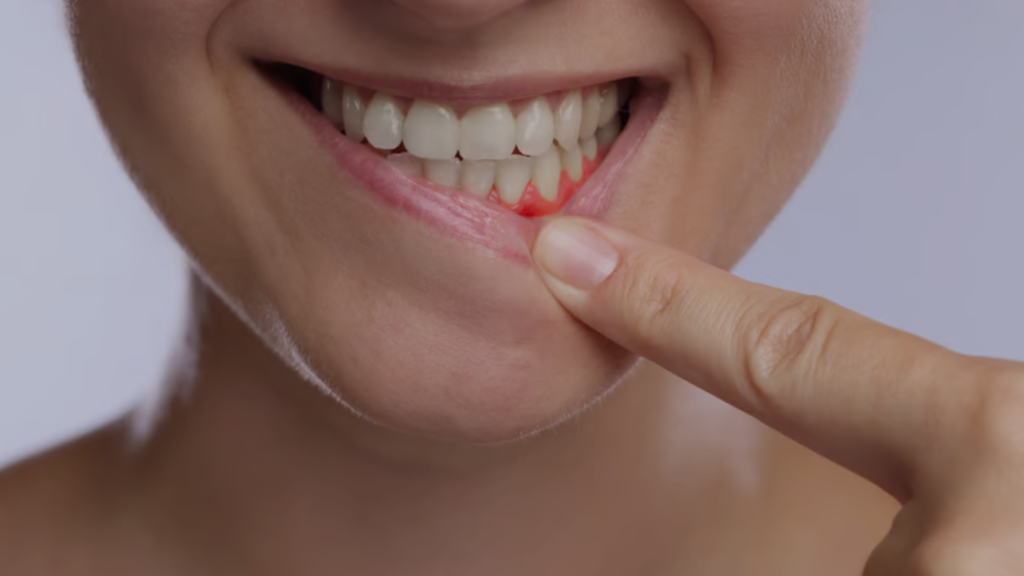
Healthy gums should not bleed during brushing or flossing. If yours do, it is not something to normalise or ignore — bleeding gums are one of the earliest warning signs of gum disease, and the condition causing them is almost always treatable when caught early. It is therefore important to visity your dentist regularly to check gum inflammation or bleeding.
In most cases, gum bleeding signals the presence of plaque bacteria along the gum line triggering inflammation — one of the earliest early signs that your oral health needs attention. But other factors — medication, vitamin deficiencies, hormonal changes — can also cause or worsen it. This guide explains every significant cause, when it becomes serious, and what actually stops the bleeding for good.
At Delta Park Dental, bleeding gums are among the most frequently reported concerns during routine check-ups in Brampton. Many patients assume it is normal — it is not. What follows is grounded in clinical experience and consistent with guidance from the American Dental Association and the National Institute of Dental and Craniofacial Research.
Why Do Gums Bleed When You Brush?
Bleeding gums are often caused by harmful plaque buildup at and below the gum line. Plaque is a sticky film of bacteria that forms constantly on teeth and gums. When it is not removed through consistent brushing and flossing, it accumulates along the gum line and triggers an immune system response — inflammation in the gums is the body’s attempt to fight the bacterial infection.
This inflammation — called gingivitis — causes gums to become puffy, red, and fragile. Caught in the early stages, gingivitis is fully reversible and the best opportunity to prevent gum disease from progressing. Fragile gum tissue bleeds easily when disturbed by a toothbrush, dental floss, or even firm food. Gingivitis is a mild form of gum disease, but it is the entry point for more serious conditions if left untreated.
Poor oral hygiene allows plaque to harden into tartar — a calcified deposit that cannot be removed by brushing alone. Tartar buildup also creates the environment where tooth decay accelerates and gum infection takes hold, requiring professional cleaning to address.
What Else Can Cause Gum Bleeding?
While inadequate plaque removal is the primary driver, other factors contribute to gum bleeding and should be considered — especially when bleeding persists despite improved oral hygiene:
Blood-Thinning Medications
Blood-thinning medications — including aspirin, warfarin, and some anti-inflammatory drugs — reduce the blood’s clotting ability, making gums bleed more readily and for longer. If you have recently started a new medication and noticed increased gum bleeding, inform your dentist at your next appointment. This is one of the risk factors that does not go away with better brushing alone.
Vitamin Deficiencies
Vitamin C deficiency can worsen gum bleeding and, in severe cases, leads to a condition called scurvy where gum tissue deteriorates significantly. Vitamin C strengthens gums and helps prevent bleeding by supporting collagen production in gum tissue. Vitamin K deficiency can also cause gum bleeding by impairing blood clotting. Both are correctable through dietary changes or supplementation, but persistent bleeding warrants a dental assessment regardless.
Hormonal Changes
Hormonal changes can trigger gum disease in pregnant women — a condition known as pregnancy gingivitis. Elevated hormone levels increase blood flow to gum tissue, making it more sensitive and reactive to plaque. Similar hormone fluctuations during puberty, menstruation, and menopause can all temporarily increase gum sensitivity and bleeding.
Smoking and Tobacco Use
Smoking and poor diet are shared risk factors for gum disease. Smoking impairs blood flow to gum tissue, reducing its ability to fight infection and heal. This masking effect means smokers can have significant gum disease with less visible bleeding than non-smokers — making the condition appear less severe than it actually is. Quitting smoking improves gum health measurably within weeks.
Improper Brushing Technique
Improper brushing can cause damage to gums — particularly using a hard-bristled brush or applying excessive pressure. Brushing your teeth aggressively tears delicate soft tissue rather than cleaning it. If bleeding occurs only in specific areas where you brush hardest, technique is likely a contributing factor. Similarly, not flossing regularly leaves plaque undisturbed between teeth where bleeding most commonly begins.
Gingivitis vs Periodontal Disease: How Serious Is Your Gum Bleeding?
| Gingivitis | Periodontal Disease | |
| Stage | Early / mild form of gum disease | Advanced gum disease |
| Bone Loss | No bone loss | Yes — bone loss occurs |
| Reversible? | Fully reversible with good oral hygiene | Manageable but not fully reversible |
| Symptoms | Puffy gums, bleeding, bad breath | Receding gums, loose teeth, deep pockets |
| Treatment | Improved oral hygiene + professional cleaning | Deep cleaning, root planing, possible surgery |
| Risk if Untreated | Progresses to periodontitis | Tooth loss, systemic health impact |
Is Gum Bleeding Serious? The Link Between Oral and Overall Health
Gum disease is a chronic bacterial infection that triggers inflammation — and that inflammation does not stay confined to your mouth. Bacterial toxins from gum disease can enter the bloodstream, where chronic inflammation from gum disease is linked to cardiovascular disease, respiratory conditions, and adverse pregnancy outcomes. The Centers for Disease Control recognise periodontal disease as a significant public health concern precisely because of these systemic links.
Gum disease complicates blood sugar management in diabetes — and conversely, poorly controlled diabetes worsens gum disease, creating a cycle that is difficult to break without treating both conditions. In its advanced form, severe gum disease — periodontitis — destroys the bone supporting your teeth, leading to loose teeth and eventual tooth loss. Keeping teeth healthy long-term depends on addressing gum disease before it reaches this stage.
Important: Bleeding gums are a symptom, not a normal part of brushing. If gums bleed consistently for more than two weeks despite improved oral hygiene, see a dentist. Left untreated, gingivitis advances to periodontitis — which causes permanent bone loss.
How Do You Stop Bleeding Gums?
Most cases of gum bleeding caused by gingivitis respond well to a consistent improvement in oral hygiene habits — but the approach matters:
Brush at Least Twice a Day — Correctly
Brush at least twice a day using a soft-bristled toothbrush and fluoride toothpaste. Hold the brush at a 45-degree angle to the gum line and use gentle circular motions — do not scrub. This is the single most consistent daily habit to prevent bleeding gums and maintain a healthy mouth long-term. A healthy lifestyle that includes regular brushing and a balanced diet gives your gum tissue the foundation it needs to stay resilient. Replace your toothbrush every three months so bristles remain effective.

Floss Daily Without Skipping
Floss daily to remove plaque between teeth — the spaces a toothbrush cannot reach. If flossing causes bleeding, this is a sign that plaque is already causing inflammation between teeth, not that flossing is harming you. Consistent daily flossing typically reduces bleeding significantly within two to three weeks as gum health improves.
Professional Cleaning
When tartar has formed, improved brushing alone cannot remove it. A professional cleaning by a dental hygienist removes hardened deposits above and below the gum line, allowing gum tissue to recover. For more advanced periodontal gum disease, a deep dental cleaning — scaling and root planing — reaches below the gum line to clean the root surfaces and reduce bacterial pockets.
Rinse and Diet Adjustments
Rinsing with an antiseptic mouthwash reduces bacterial load between brushing. Cutting back on carbohydrates — which fuel plaque bacteria — can improve gum health over time. Vitamin C intake supports gum tissue integrity directly; citrus fruits, bell peppers, and leafy greens are all strong dietary sources.
Quitting Smoking
Quitting smoking improves gum health more than most patients expect. Within a few weeks of cessation, blood flow to gum tissue improves, the immune response becomes more effective, and the masking effect that hides gum disease severity is lifted. Smoking cessation is one of the most impactful lifestyle changes for periodontal health.
When Should You See a Dentist About Bleeding Gums?
See a dentist if:
• Gums bleed consistently for more than two weeks despite improved brushing and flossing
• Bleeding is accompanied by persistent bad breath or a bad taste in the mouth
• Gums appear swollen, red, or have visibly pulled away from teeth
• You notice loose teeth or teeth that feel like they have shifted position
• You are pregnant and have noticed increased gum sensitivity or bleeding
• You have not had a professional cleaning in over a year
Gum disease treated early — at the gingivitis stage — is fully reversible with nonsurgical treatment and improved oral hygiene. Waiting until periodontitis has developed means managing a chronic condition rather than curing one.
Why Brampton Patients Trust Delta Park Dental for Gum Health
We assess gum bleeding at the source — identifying whether it is driven by plaque buildup, technique, medication, nutritional factors, or underlying periodontal disease — before recommending any treatment. Our approach is thorough, unhurried, and focused on giving patients an honest picture of their gum health.
• Professional cleanings and deep dental cleaning (scaling and root planing) available in-office
• Personalised oral hygiene guidance tailored to your brushing habits and risk factors
• Gum health monitored at every check-up — not just when symptoms appear
• CDCP and major insurance plans accepted
• Referral to a periodontist when specialist care is indicated
Bleeding gums are a signal your mouth is sending. Our team will help you understand what it means — and make sure it does not progress further.

Frequently Asked Questions: Bleeding Gums
Q1. Why do my gums bleed when I brush even though I brush every day?
Daily brushing reduces plaque but does not eliminate it — particularly between teeth where a brush cannot reach. If flossing is not part of your routine, plaque accumulates in the spaces between teeth and below the gum line, causing the inflammation that makes gums bleed. Bleeding gums despite brushing are also common when tartar has already formed, since only a professional cleaning can remove it. If bleeding persists beyond two weeks of consistent brushing and flossing, see a dentist.
Q2. Is gum bleeding a sign of serious gum disease?
Bleeding gums most commonly signal gingivitis — the early, reversible stage of gum disease. If treated promptly with improved oral hygiene and professional cleaning, gingivitis resolves completely. Left untreated, it can advance to periodontal disease, which causes permanent bone loss, receding gums, and eventual tooth loss. The presence of bleeding is not itself a sign of advanced disease, but it should always prompt a dental check-up to determine the stage and cause.
Q3. What is the fastest way to stop bleeding gums at home?
The fastest path to stopping bleeding gums is addressing the cause: brush twice daily with fluoride toothpaste using a soft-bristled brush, floss daily, and rinse with an antiseptic mouthwash. Vitamin C supports gum tissue repair — increasing dietary intake helps. Most patients see a significant reduction in bleeding within two to three weeks of consistent good oral hygiene. However, if tartar is present, home care alone will not be sufficient — a professional cleaning is needed to fully resolve the inflammation.
Q4. Can quitting smoking help my bleeding gums?
Yes — quitting smoking is one of the most impactful steps you can take for gum health. Smoking reduces blood flow to gum tissue, impairs immune response, and masks the severity of gum disease by reducing visible bleeding even as damage progresses. Within weeks of quitting, gum tissue receives better blood supply and heals more effectively. For patients with periodontal gum disease, quitting smoking significantly improves the response to professional treatment and slows disease progression.
Q5. Does vitamin C deficiency cause gum bleeding?
Yes. Vitamin C is essential for collagen production in gum tissue. Deficiency weakens the structural integrity of gums, making them more prone to bleeding and slower to heal. In severe cases, vitamin C deficiency causes scurvy — a condition involving significant gum deterioration. Increasing dietary vitamin C through citrus fruits, bell peppers, and leafy greens can improve gum tissue resilience. If you suspect a deficiency is contributing to your gum bleeding, both a dentist and your family doctor should be informed.
Delta Park Dental | Brampton, Ontario | Family, Cosmetic & Emergency Dentistry
Every smile is different. For accurate information and personalized treatment options,
book a consultation with the team at Delta Park Dental.