
The information on this page is for general educational purposes only.
Please consult your dentist for advice specific to your oral health.
Composite bonding in Ontario typically costs $300 to $900 per tooth, depending on the size of the repair, the tooth’s location in the mouth, and the complexity of the case. It is one of the more affordable cosmetic dental procedures available — no lab work required, no enamel removal in most cases, and usually completed in a single visit. This guide covers per-tooth pricing, what changes the cost, how insurance applies, and how bonding compares to veneers. It is written for adults in Brampton and the GTA who are weighing cosmetic dental options before booking a consultation.
Key Takeaways
- Composite bonding in Ontario typically costs $300 to $900 per tooth.
- Bonding is generally more affordable than porcelain veneers or crowns.
- The procedure takes 30 to 60 minutes per tooth and is usually completed in one visit.
- Anesthesia is typically not required unless a cavity is being repaired at the same time.
- Composite bonding lasts 3 to 10 years depending on oral hygiene habits and wear.
- Bonding on front teeth can last up to 10 years with proper care.
- Composite resin is more prone to staining than porcelain — especially from coffee, tea, and red wine.
- Veneers resist stains better and last 10 to 20 years, but cost more and require enamel removal.
- Most dental insurance plans do not cover cosmetic bonding.
- Good oral hygiene and avoiding hard candy and acidic foods help extend the life of a bonded tooth.
How Much Does Composite Bonding Cost in Ontario?
Composite bonding in Ontario typically costs $300 to $900 per tooth. The range varies by clinic location, case complexity, and number of surfaces involved.
According to Healthline, composite bonding costs $300 to $900 per tooth, with most dental bonding not covered by insurance when done for cosmetic purposes.
These are market estimates, not regulated fee guides. The most accurate figure for your case comes from a written estimate after a clinical exam.
How Much Does 1 Tooth Composite Bonding Cost?
A single bonded tooth typically costs $300 to $900 in Ontario.
Simple repairs — a small chip on a front tooth or a minor gap — tend to sit toward the lower end of that range.
More involved work — correcting a larger crack, filling in a broken tooth, or reshaping a misaligned tooth — can push toward the higher end, especially if multiple surfaces are involved.
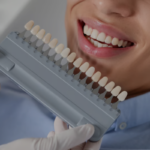
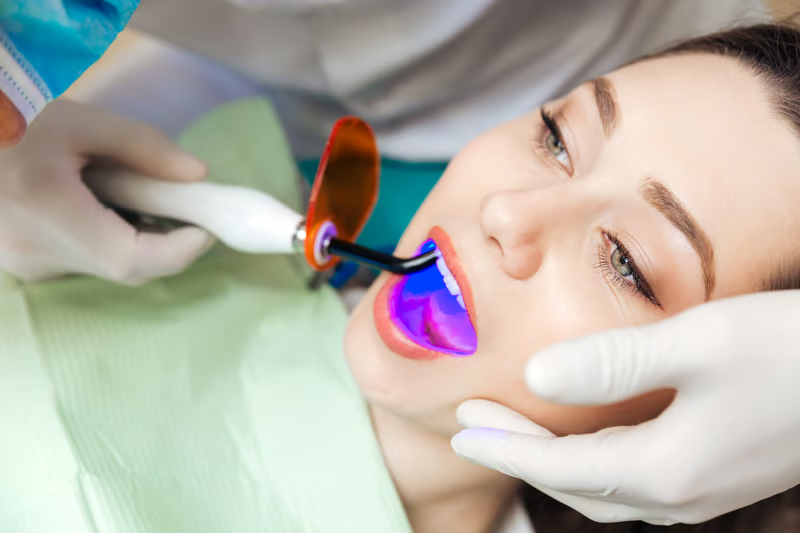
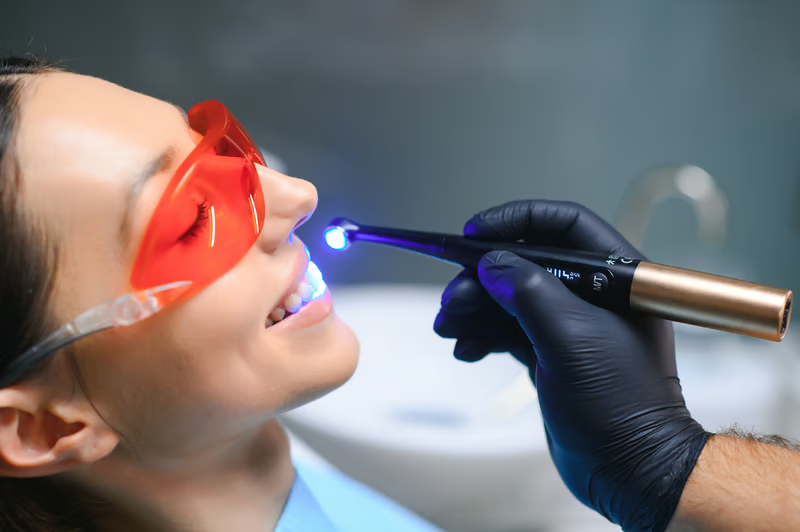
The dentist selects a composite resin shade from a shade guide to match the colour of your natural teeth. The resin is applied, shaped, and hardened using a curing light in a single appointment.
Dental bonding usually takes 30 to 60 minutes per tooth. Most patients need no anesthesia unless decay is present at the same time.
What Changes the Price of Dental Bonding
Number of Teeth Treated
Dental bonding is priced per tooth. Treating one front tooth costs significantly less than treating six. Some clinics offer a reduced per-unit rate for larger cases — confirm this when requesting an estimate.
Location and Extent of the Repair
Front teeth are more technically demanding for appearance reasons. Larger chips or cracks that cover more of the tooth’s surface require more material and more chair time, which affects cost.
Number of Surfaces
Some clinics bill per surface rather than per tooth. A chip on the edge of a tooth involves one surface; a repair that wraps around the front and side of the tooth may involve two or three. Ask whether your estimate is per tooth or per surface before committing.
Preparatory Treatment
Composite bonding requires healthy teeth and gums. Active gum disease or untreated cavities must be resolved before cosmetic bonding can be placed. Any required periodontal treatment or fillings add to the total cost.
Clinic Location
Clinics in suburban GTA markets like Brampton tend to charge less than those in downtown Toronto, partly due to lower overhead costs. Pricing is also influenced by the dentist’s experience with cosmetic procedures.
Is Composite Bonding Covered by Insurance?
Most dental insurance plans in Canada do not cover composite bonding when it is performed for cosmetic purposes.
If bonding is being placed to repair a structurally damaged tooth — a deeply cracked tooth, decay removal and rebuild, or a broken restoration — your plan may provide partial coverage under its restorative benefit.
Coverage depends entirely on your plan’s language and how the claim is coded by the dentist. Always confirm with your insurer before treatment begins.
The Canadian Dental Care Plan (CDCP), administered by Sun Life, covers preventative and restorative dental care — not cosmetic bonding. If you have CDCP benefits and are wondering what is covered, see our CDCP dentist guide for Peel Region.
Do Dentists Recommend Bonding?
Dentists commonly recommend composite bonding for patients with minor cosmetic concerns who want a quick, low-cost result with minimal tooth preparation.
Bonding is a good fit when the issue is isolated — a single chipped tooth, a small gap, or mild discolouration on one or two teeth.
For patients with multiple concerns across several front teeth, or for those who want the longest-lasting result, dentists may suggest veneers or crowns instead.
The American Dental Association notes that dental bonding is appropriate for small cosmetic changes, tooth-coloured fillings, and some minor repairs — but is not suited for areas under heavy bite pressure, where more durable materials hold up better.
Dentists recommend bonding because it is minimally invasive. Little to no enamel removal is required in most cases, and the procedure is reversible in a way that veneers are not.
Good candidates have healthy teeth and gums. If gum disease or tooth decay is present, it must be treated first.
Bonding vs Veneers: How Cost and Lifespan Compare
Composite bonding and dental veneers both improve the appearance of front teeth — but they differ in cost, durability, and how much tooth structure is changed.
Cost. Composite bonding typically costs $300 to $900 per tooth. Porcelain veneers in Ontario cost approximately $1,200 to $2,500 per tooth. For a full veneer comparison, see our top dental veneers Brampton post.
Lifespan. Dental bonding lasts 3 to 10 years depending on care habits and wear. Veneers typically last 10 to 20 years. The cost difference narrows when replacement cycles are factored in.
Stain resistance. Veneers resist stains better than composite resin. Composite bonding material picks up colour from coffee, tea, and red wine over time. Some discolouration is expected with age.
Tooth preparation. Veneers require removing up to 0.5mm of enamel — a permanent change. Most composite bonding requires little to no enamel removal, making it the more conservative option.
Appearance. Both look natural when done well. Porcelain veneers tend to hold their colour and polish longer than composite resin over a 10-year horizon.
What to Expect at a Bonding Appointment
A bonding appointment typically takes 30 to 60 minutes per tooth and requires no preparation visit.
The dentist uses a conditioning liquid on the tooth’s surface to help the bonding material stick. A shade guide is used to match the composite resin to your natural teeth.
The resin is applied, shaped, and hardened using a curing light. Once hardened, the dentist smooths and polishes the repaired tooth to a natural-looking shine.
Most patients leave the appointment the same day with the finished result. There is no waiting for a dental lab.
Caring for a Bonded Tooth
Bonded teeth do not require dramatically different care, but a few habits extend the lifespan.
Brush twice daily with a soft toothbrush and fluoride toothpaste. Use an alcohol-free mouthwash to keep gum tissue around the bonded area healthy.
Avoid biting hard candy, chewing on pens, or using front teeth to open packaging — these habits chip or crack the bonding material.
Limit staining foods and drinks such as coffee, tea, and acidic foods, especially in the first 48 hours after placement while the resin fully sets.
Attend regular dental visits. Professional cleanings protect oral health and let your dentist check the bonded tooth for wear or damage.
Book a Bonding Consultation at Delta Park Dental
If you are considering dental bonding in Brampton, the team at Delta Park Dental can provide a written estimate after a clinical exam.
Delta Park Dental — 215 Delta Park Blvd Unit 104, Brampton, ON L6T 0H9 📞 +1 905-494-0094 | 📧 info@deltaparkdental.com Hours: Mon: 10:00 am – 4:00 pm | Tue–Sat: 10:00 am – 6:00 pm
Frequently Asked Questions
How much does composite bonding cost in Ontario?
Composite bonding in Ontario typically costs $300 to $900 per tooth for cosmetic repairs. The final cost depends on the number of teeth treated, the size of the repair, and whether any preparatory dental work is needed first.
What does the bonding cost cover?
The per-tooth bonding cost typically includes the dentist’s chair time, the composite resin material, shaping, and polishing. It does not usually include x-rays, a dental exam, or any restorative work that needs to happen first. Confirm what is included in your estimate before your appointment.
Is dental bonding covered by dental insurance?
Most dental insurance plans do not cover cosmetic bonding. Coverage may apply if bonding is used to repair a tooth damaged by decay or trauma, depending on your plan’s restorative benefit. Always confirm with your insurer before booking.
How long does a bonded tooth last?
Dental bonding typically lasts 3 to 10 years. Bonding on front teeth can last up to 10 years with proper care. Lifespan depends on oral hygiene habits, dietary choices, and whether the bonded area is subject to heavy chewing pressure.
Does dental bonding affect oral health or gum disease risk?
Properly placed bonding does not damage healthy teeth or increase gum disease risk. Gaps around aged or poorly maintained bonding can trap plaque, so regular dental care matters. Active gum disease must be treated before bonding is placed.
Is dental bonding good cosmetic dentistry for front teeth?
Dental bonding is a practical cosmetic dentistry option for isolated front-tooth concerns — chips, gaps, minor discolouration, or irregular shape. For patients seeking a longer-lasting result across multiple front teeth, dental veneers may be a better investment.
Every smile is different. For accurate information and personalized treatment options,
book a consultation with the team at Delta Park Dental.