
A bright, radiant smile is often the first thing people notice. It radiates confidence, health, and vitality. However, over time, our teeth can lose their luster due to various factors like diet, aging, and lifestyle habits. If you have been looking in the mirror and wondering how to address stubborn stains or general discoloration, you are not alone.
At Delta Park Dental in Brampton, we believe that understanding the science and safety behind teeth whitening is the first step toward achieving the results you desire. In this guide, we will explore the different options available, from professional whitening treatments to at-home systems, helping you determine what the “best” product really is for your unique oral cavity.
Understanding Tooth Discoloration: Why Do Teeth Stain?
Before searching for a whitening product, it is helpful to understand why teeth change color. Dental professionals generally categorize staining into two types:
- Extrinsic Stains: These are surface stains found on the tooth enamel. They are typically caused by chromogens found in dark-coloured foods and beverages. If you enjoy a morning coffee, a glass of red wine, or foods high in tannin, these pigments can attach to the dental plaque and settle into the enamel. Tobacco products are also a leading cause of extrinsic staining.
- Intrinsic Stains: These occur when the inner structure of the tooth, the dentin, darkens or develops a yellow tint. This can be caused by excessive exposure to fluoride during childhood (fluorosis), certain medications like tetracycline, or even trauma to the tooth.
The colour of teeth is also influenced by genetics and the thickness of your enamel. As we age, the enamel thins, allowing the yellowish dentin underneath to show through more prominently.
The History of Tooth Whitening: From Ancient Times to Today
Humanity’s quest for a white smile is not a modern obsession. Ancient Roman dentists actually experimented with quite unusual methods, including the use of urine and goat milk, believing the ammonia and lactic acid would act as bleachers. Thankfully, dental science has evolved significantly since then!
Modern tooth bleaching has moved away from such folk remedies toward safe, regulated peroxide-based active ingredients. Today, organizations like the Canadian Dental Association provide guidelines to ensure that products used for whitening are both effective and safe for your tooth enamel.
Over-the-Counter Teeth Whitening Products
When you walk down the dental aisle at a local Brampton pharmacy, you are met with a dizzying array of options. Let’s break down the most common ones.
Whitening Toothpastes and Mouthwash
Most whitening toothpastes work as surface whiteners. They contain mild abrasives like silica or baking soda that help scrub away surface stains through the mechanical action of brushing. Some may also contain small amounts of hydrogen peroxide or carbamide peroxide. While a fluoride toothpaste is essential for preventing cavities, “whitening” versions aren’t typically strong enough to change the actual internal colour of teeth.
Whitening Strips
Teeth Whitening Strips, such as the popular Crest 3DWhitestrips, are thin, flexible plastic coated with a peroxide-based bleaching gel. These are convenient at-home systems. While they can be effective for minor staining, they are “one-size-fits-all,” which can sometimes lead to the gel touching the gums, causing gum irritation or temporary tooth sensitivity.
Home Tooth Whitening Kits (Tray Kits)
These kits usually involve a mouthguard or generic tray that you fill with whitening gels. These gels often use carbamide peroxide or hydrogen peroxide as the bleaching agents. While more powerful than toothpaste, generic trays may not fit perfectly, leading to uneven whitening or leakage.
Activated Charcoal and Oil Pulling
Social media influencers often promote “natural” remedies like activated charcoal or oil pulling (an ancient Ayurveda practice using oils like coconut or olive oil). However, dental professionals warn that activated charcoal can be highly abrasive, potentially wearing down your enamel and making teeth more sensitive over time. There is no clinical evidence that oil pulling effectively changes tooth colour.
Professional Whitening Treatments: The Gold Standard
If you are looking for the most effective and safest results, visiting a dental office is the best route. Dental professionals have access to higher concentrations of peroxide-based bleaching agents that are not available over the counter.
In-Office Bleaching Procedures
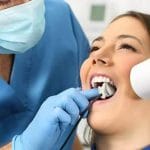
In-office whitening treatments are the fastest way to brighten discolored teeth. During these procedures, a protective barrier is applied to your gums to prevent irritation. Then, a high-concentration hydrogen peroxide gel is applied to the teeth.
At Delta Park Dental, we often use advanced technology like an LED light, UV light, or laser therapy to accelerate the chemical reaction of the peroxide. For example, the Zoom system is a world-renowned method that uses a specific light reflection to break up stains deep within the dentin. This process, often called laser whitening, can brighten teeth by several shades in just one visit.
Custom Trays for At-Home Use
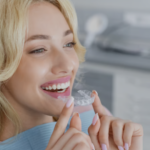
Many patients prefer a middle ground: professional-grade results with the convenience of home. We can create custom trays based on a digital scan of your mouth. These trays fit your teeth perfectly, ensuring the whitening gel stays on the teeth and away from the gums. You then use professional-strength carbamide peroxide gel at home for a specified period each day.
Vital vs. Non-Vital Bleaching
- Vital Bleaching: This is performed on “living” teeth that have healthy nerves. This is the standard procedure for general aesthetic improvement.
- Non-Vital Bleaching: If a tooth has darkened after root canal treatments, it may require internal bleaching. The dentist places the bleaching agent inside the tooth to address the stain from the inside out.
What About Dental Restorations?
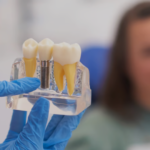
It is crucial to know that whitening products only work on natural tooth enamel. They will not change the colour of:
- Crowns
- Veneers
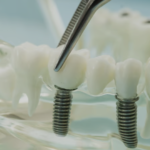
- Dental implants
- Dental restorations like fillings
If you have discolored teeth and also need restorative work, we usually recommend whitening your natural teeth first. Once the desired shade is achieved, we can match your new crowns or veneers to that brightened colour.
Safety First: Protecting Your Oral Health
While tooth whitening is generally safe, it should always be done under the supervision of an oral health professional. Misusing peroxide-based products can lead to:
- Tooth Sensitivity: Temporary discomfort when consuming hot or cold items.
- Gum Irritation: Chemical burns on the soft tissues of the mouth.
- Enamel Damage: Over-bleaching can reduce enamel mineral content, leading to enamel hypoplasia or increased risk of cavities.
People with certain conditions, such as gingivitis, oral thrush, or dentinogenesis imperfecta, should consult their dentist before attempting any whitening. Additionally, those with significant calculus (tartar) buildup will need a professional cleaning first, as bleach cannot penetrate through tartar.
Maintaining Your Results
After your whitening treatment, maintenance is key to preventing the return of stains.
- Brushing and Flossing: Keep up with your dental hygiene to remove dental plaque.
- Dietary Choices: Limit coffee, tea, and soda. If you do indulge, rinse your mouth with water afterward.
- Avoid Tobacco: This is the best way to prevent rapid yellowing.
- Regular Cleanings: Seeing your dental hygienist every six months ensures surface stains are polished away.
- Vitamin D and Calcium: A healthy diet supports strong enamel, which reflects light better and appears whiter.
Conclusion: Which Product is Best for You?
The “best” whitening product isn’t a one-size-fits-all answer. For some, a simple whitening toothpaste is enough to manage surface stains. For others seeking a dramatic transformation for a special event, an in-office Zoom treatment or laser therapy is the superior choice.
At Delta Park Dental in Brampton, we prioritize your oral health above all else. We invite you to book a consultation to discuss your smile goals. We can assess your enamel thickness, check for any underlying issues like root resorption or bad breath, and recommend a safe, effective plan tailored to you.
Don’t let bots or automated spam results on the internet dictate your health decisions. Consult with a human professional who understands the complexities of the oral cavity.
Are you ready to reveal your brightest smile? Click the button below to schedule your appointment at Delta Park Dental today. We look forward to helping you shine!