

The information on this page is for general educational purposes only.
Please consult your dentist for advice specific to your oral health.
Key Takeaways
✔ Avoid chewing on the treated tooth until the permanent crown is placed
✔ Do not eat until numbness from local anesthesia wears off
✔ Avoid hard, crunchy, and sticky foods during root canal recovery
✔ Do not skip follow up appointments — the temporary filling is not a permanent restoration
✔ Contact your dental office if pain, swelling, or fever worsens after 72 hours
Introduction
After a root canal, what you do — and avoid — in the days that follow directly affects your long term outcome. Root canal treatment removes infected pulp and seals the tooth, but the treated tooth remains vulnerable until the permanent crown is placed. Eating the wrong foods, skipping follow up appointments, or ignoring warning signs can undo a successful procedure. This guide covers exactly what to avoid after root canal treatment, why it matters, and how to protect your natural tooth for the long term.
Delta Park Dental provides root canal treatment in Brampton under effective local anesthetic using modern techniques. Our dental team includes a general dentist with advanced training in endodontic treatment. Most patients feel no pain during the procedure.
What Happens During Root Canal Treatment?
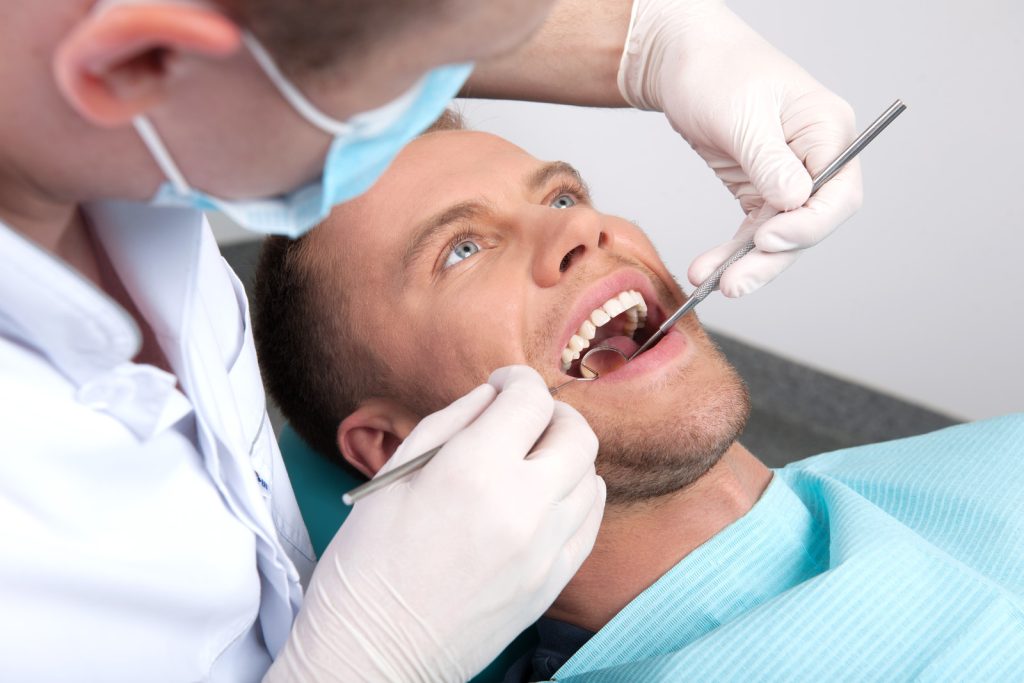
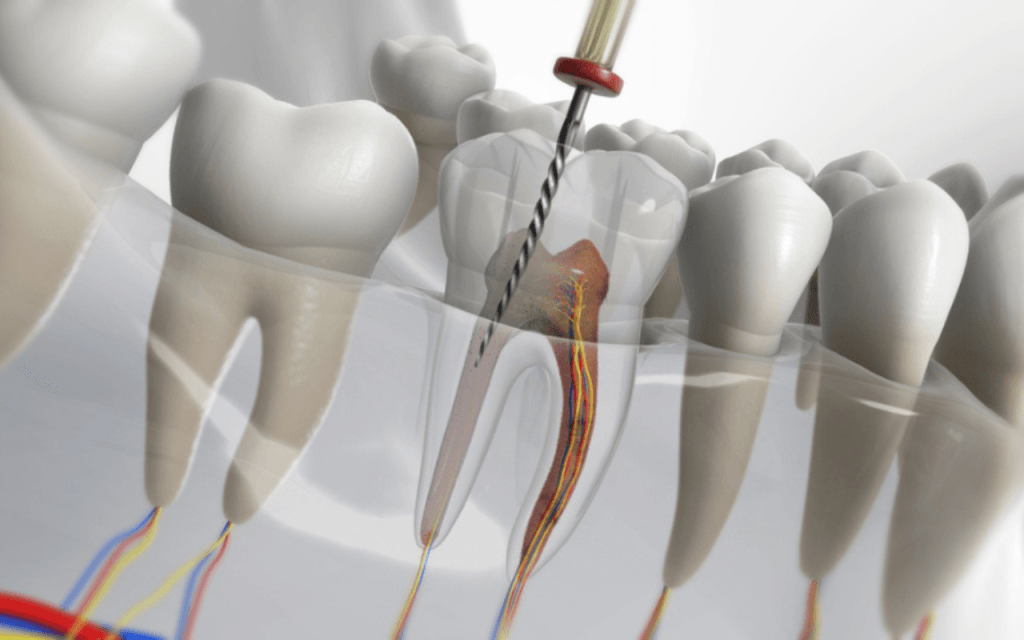
A root canal removes infected pulp from inside the tooth. The pulp houses blood vessels, nerves, and connective tissue inside the pulp chamber. When bacteria enter through deep cavities or cracks, the infected tissue becomes inflamed and causes severe tooth pain. Left untreated, infection spreads to surrounding tissues and adjacent teeth, and can develop into a dental abscess requiring tooth extraction.
The root canal procedure typically takes 45 to 90 minutes. The dentist applies local anesthetic and places a dental dam or rubber dam to isolate the affected tooth. The dentist removes damaged pulp and infected tissue, cleans the root canal system, and fills the empty space inside of the tooth with a material called gutta percha. A temporary filling seals the tooth until a permanent filling or crown is placed. The inside of the tooth is sealed with gutta percha to prevent reinfection.
Root canal treatment preserves the natural tooth structure. Root canals can save a tooth from extraction — avoiding complications that arise when a tooth extracted site is left without a replacement. Root canal therapy can last a lifetime with proper care — but only when post-procedure instructions are followed carefully.
What Should You Avoid Immediately After a Root Canal?
Do Not Eat Until Numbness Wears Off
Local anesthetic keeps the mouth numb for several hours after treatment begins. Eating before feeling returns risks biting soft tissue without realising it. Avoid eating until numbness wears off after treatment — usually two to four hours.
Avoid Hard and Crunchy Foods
The treated tooth is fragile before the permanent crown is placed. A temporary filling protects the tooth but cannot withstand the same pressure as a permanent restoration. Avoid hard foods, crunchy snacks, and chewy foods on the side of the affected tooth. Eat soft foods like yogurt, eggs, and mashed vegetables during root canal recovery.
Avoid Chewing on the Treated Tooth
Avoid chewing on the treated tooth until the permanent crown is fitted. Most root canals are performed on a back tooth — a molar or premolar bearing significant chewing load. Chewing on a root canal treated tooth before the crown is placed risks fracturing the tooth and requiring extraction. A back tooth without a crown is vulnerable to fracture as the mouth wears it down during daily chewing.
Avoid Smoking and Alcohol
Smoking impairs healing of soft tissue and increases the risk of root canal infection. Alcohol interferes with pain medication and delays healing. Both should be avoided for at least 48 to 72 hours after the procedure.
What Should You Avoid in the Days After Treatment?
Do Not Skip Pain Management
Most patients experience mild soreness for one to three days after treatment. This is normal. Take acetaminophen or ibuprofen to relieve pain as directed. Pain relief usually occurs soon after the treatment begins — do not wait for pain to become severe. Tooth sensitivity may last for a few days post-treatment — particularly when biting or consuming hot or cold foods. A follow up visit confirms the treated tooth is healing correctly.
Do Not Ignore Worsening Symptoms
Contact your dental office if you experience: worsening pain beyond 72 hours, significant swelling, fever, or the temporary filling falling out. These may indicate the root canal infection has not resolved.
Worsening pain, swelling, or fever after 72 hours is not normal. Left untreated, a root canal infection can spread to surrounding bone and adjacent teeth. Contact your dental office promptly to reduce swelling and prevent further complications.
Do Not Miss Follow Up Appointments
A temporary filling is placed until the permanent crown is ready. This material is not designed for long term chewing force. Missing follow up appointments leaves the treated tooth unprotected. The permanent crown seals the tooth completely and prevents reinfection. Most root canal failures occur because patients delay or skip the permanent restoration.
What Most Patients Get Wrong After Root Canal Treatment
“The pain stopped so I don’t need the crown.”
Root canal pain resolves quickly — that is the point. But the absence of pain does not mean the tooth is fully treated. Without the permanent crown, bacteria can re-enter through the temporary filling. The treated tooth also lacks structural support for regular chewing. Repeated dental procedures on the same tooth are always more complex than completing the original treatment correctly.
“I can eat normally once the numbness wears off.”
Numbness wearing off does not mean the tooth is ready for normal use. The root canal recovery period lasts several days. Avoid chewing on the treated side, eat soft foods, and avoid extreme temperatures. The tooth remains sensitive and the temporary filling can dislodge under pressure.
“A root canal means the tooth is fixed forever.”
Root canal therapy addresses the infected pulp and seals the root canal system. The tooth still requires a permanent crown for protection. Without it, the treated tooth is vulnerable to fracture — one of the most common reasons a root canal treated tooth eventually requires extraction or a dental implant.
Does Avoiding These Mistakes Affect Long Term Tooth Health?
Root canal therapy can last a lifetime with proper care. The American Association of Endodontists (aae.org) reports the vast majority of root canal treated teeth remain functional for decades when correctly restored with a crown. Tooth extraction often leads to additional long-term costs for replacements. Extraction can cause surrounding bone to resorb within months, affecting adjacent teeth and long term oral health.
Protecting the natural tooth through proper aftercare is always the better long term outcome. A dental implant is effective for a missing tooth — but it is a second procedure, additional recovery, and greater expense than completing root canal treatment correctly the first time.
When Should You Contact Your Dental Office After Treatment?
Contact your dentist or endodontist immediately if you notice:
• Severe root canal pain that does not respond to over-the-counter medication
• Swelling in the gum, jaw, or face
• Fever above 38°C (100.4°F)
• The temporary filling falling out or feeling loose
• Visible pus or discharge near the affected tooth
• Pain spreading to other teeth or the jaw
Can You Prevent Needing Another Root Canal?
Following aftercare instructions significantly reduces the risk of complications. Beyond recovery, long term oral health depends on:
• Regular dental checkups — ideally every six months
• Regular dental visits for professional cleanings
• Good oral hygiene to prevent deep decay and new tooth infection
• A night guard if you grind, to protect root canal treated teeth from fracture
Most root canals are avoidable with early intervention. Regular checkups help patients avoid complications that require endodontic treatment altogether. A dentist trained in modern techniques can identify deep cavities on x-rays before infection reaches the tooth’s pulp.
Why Choose Delta Park Dental for Root Canal Treatment in Brampton?
Root canal treatment is a precise procedure that demands advanced training and modern techniques. Our dental team provides root canal therapy in a calm, patient-first environment.
• Root canal treatment under effective local anesthetic — most patients feel no pain, if you feel pain at any point, inform your dentist immediately
• Same-day dental appointments for an infected tooth or acute tooth pain
• Permanent crown placement to complete treatment and protect your natural tooth
• Antibiotics prescribed when required to reduce swelling and manage infection
• Follow up appointments to confirm long term health of the treated tooth
• CDCP and major insurance plans accepted
Patients who have had a root canal are six times more likely to describe it as painless than patients who had an extraction, according to the American Association of Endodontists (aae.org). The goal is always to save your natural tooth. Book your appointment with our experienced team today.
Frequently Asked Questions: Root Canal Aftercare
Q1. What should I avoid eating after a root canal?
Avoid hard, crunchy, and sticky foods on the treated tooth until the permanent crown is placed. Do not eat anything until the local anesthesia wears off — usually two to four hours. Eat soft foods like yogurt, eggs, and soup during root canal recovery. Avoid chewing on the affected tooth entirely. Tooth sensitivity to hot or cold foods may last a few days post-treatment.
Q2. How do I know if I need a root canal?
Common signs you need a root canal include severe tooth pain when chewing or applying pressure, prolonged sensitivity to hot or cold, swollen gums near the affected tooth, and a persistent dental abscess. Bacteria enter the tooth pulp through deep cavities, causing root canal infection. X-rays can reveal deep decay or infection. See a dentist promptly — left untreated, a root canal infection spreads to surrounding bone.
Q3. How long does root canal pain last after treatment?
Most patients experience mild soreness for one to three days after a root canal. This is a normal part of root canal recovery as surrounding tissues heal. Take acetaminophen or ibuprofen to relieve pain as directed. Tooth sensitivity when consuming hot or cold foods may last a few days longer. Worsening pain, swelling, or fever after 72 hours is not normal — contact your dental office immediately.
Q4. Can a root canal tooth last a lifetime?
Yes — root canal therapy can last a lifetime with proper care. The key is completing treatment with a permanent crown to protect the treated tooth from fracture and reinfection. The vast majority of root canal treated teeth remain functional for decades when correctly restored. Skipping the permanent restoration is the most common reason treated teeth eventually fail. Regular dental checkups support long term health of the treated tooth.
Q5. When is a dental implant needed instead of endodontic treatment?
A dental implant is needed when a natural tooth cannot be saved — when root canal infection has destroyed too much tooth structure, the root is fractured, or endodontic treatment has repeatedly failed. A dental implant replaces the tooth with a titanium post and crown. Root canal treatment is always preferred when the tooth can be saved, as it preserves natural tooth structure and avoids additional implant surgery and recovery.
To book an appointment: call +1 905-494-0094, visit deltaparkdental.com/contact-us, or come to 215 Delta Park Blvd Unit 104, Brampton ON L6T 0H9. Hours: Mon 10am-4pm | Tue-Sun 10am-6pm.
Delta Park Dental | Brampton, Ontario | Family, Cosmetic & Emergency Dentistry
Every smile is different. For accurate information and personalized treatment options,
book a consultation with the team at Delta Park Dental.