





Having a wisdom tooth extraction can feel overwhelming, especially when you’re unsure about recovery steps like when to stop using gauze. This is one of the most common questions patients ask after Wisdom Teeth Removal, and for good reason—proper post-care plays a major role in healing, comfort, and long-term oral health.
This guide explains what gauze does, how long to use it, and what signs to watch for during recovery, all in clear, patient-friendly language. Whether you’ve had a simple Tooth Extraction or a more complex surgical extraction, understanding post-op care helps you heal safely and confidently.
Why Gauze Is Used After Wisdom Tooth Extraction
After Wisdom tooth extraction, gauze is placed over the extraction site to help control blood flow and protect the forming blood clot. This clot is essential—it acts like a natural bandage that shields the underlying gum tissue, nerve, and oral structures from bacteria and debris.
Wisdom teeth—also known as third molars—often require removal because they are impacted, causing crowding, decay, infection, or pressure on the upper and lower arches. When these teeth are removed, especially through oral surgery, some bleeding is expected.
How Long Should You Use Gauze?
For most patients, gauze is only needed for the first 30 minutes to 2 hours after extraction. During this time:
- Bite down gently but firmly on the gauze
- Replace it every 30–45 minutes if it becomes soaked
- Keep your head elevated
Once bleeding slows to light oozing or stops completely, you can usually stop using gauze.
When to Stop Using Gauze
You can stop using gauze when:
- Bleeding has significantly reduced
- A stable blood clot has formed
- There is no active bleeding when gauze is removed
Using gauze for too long can actually disturb the clot and delay healing.
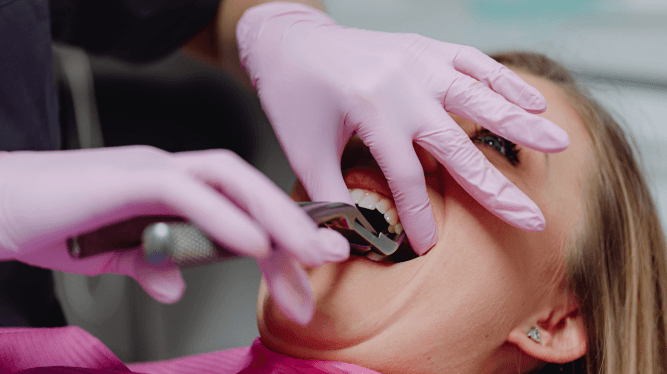
What If Bleeding Continues?
Some mild oozing is normal for up to 24 hours. However, continued bleeding may signal an issue such as:
- Dislodged blood clot
- Excessive inflammation
- Underlying gum disease or periodontal disease
- Smoking or chewing tobacco use
If bleeding continues despite proper gauze use, a follow-up appointment or emergency dentist visit may be needed—especially in cases requiring Emergency Tooth Extractions or Emergency Wisdom Tooth Removal.
Why Protecting the Blood Clot Is Critical
Losing the clot can lead to a painful condition called dry socket.
To protect the clot:
- Avoid sucking out of a straw
- Do not smoke
- Avoid hard foods
- Do not rinse aggressively
These steps are part of essential post-op guidelines.
Common Symptoms During Recovery
Every patient heals differently, but common symptoms include:
- Mild pain and swelling
- Minor bleeding
- Limited jaw opening
- Sensitivity near the gums
These symptoms usually improve within a few days. Applying ice packs, taking a prescribed or recommended pain reliever, and following cleaning instructions can support healing.
How Imaging Helps Plan Wisdom Tooth Removal
Before Wisdom Tooth Removal, imaging such as:
- Digital X-rays
- Panoramic or 3D X-ray
- 3D digital X-rays
- Digital imaging and panoramic imaging
helps the dental healthcare provider evaluate impaction, root structure, and nearby oral structures. These images guide a safe treatment plan and reduce the risk of nerve damage or surgical damage.

Eating and Drinking After Extraction
For the first few days:
- Avoid hard foods
- Stick to soft, cool foods
- Avoid alcohol and hot beverages
As healing progresses, you can gradually return to normal chewing, as advised by your medical team.
When Wisdom Teeth Cause Bigger Problems
Wisdom teeth may need removal due to:
- Cavities or decayed enamel
- Pericoronitis (infection around a partially erupted tooth)
- Tooth-crowding
- Pressure causing tooth loss
- Repeated dental emergencies
Left untreated, bacteria can spread, affecting overall dental health and even contributing to systemic health issues.
Wisdom Tooth Extraction vs Other Dental Procedures
Unlike Root Canal Therapy, endodontic therapy, or dental bonding, extraction removes the tooth entirely. In some cases, missing teeth may later require dental implants or a restorative treatment plan to maintain proper bite and function.
Wisdom tooth removal may also be recommended before Cosmetic Dentistry or orthodontic care to prevent future complications.
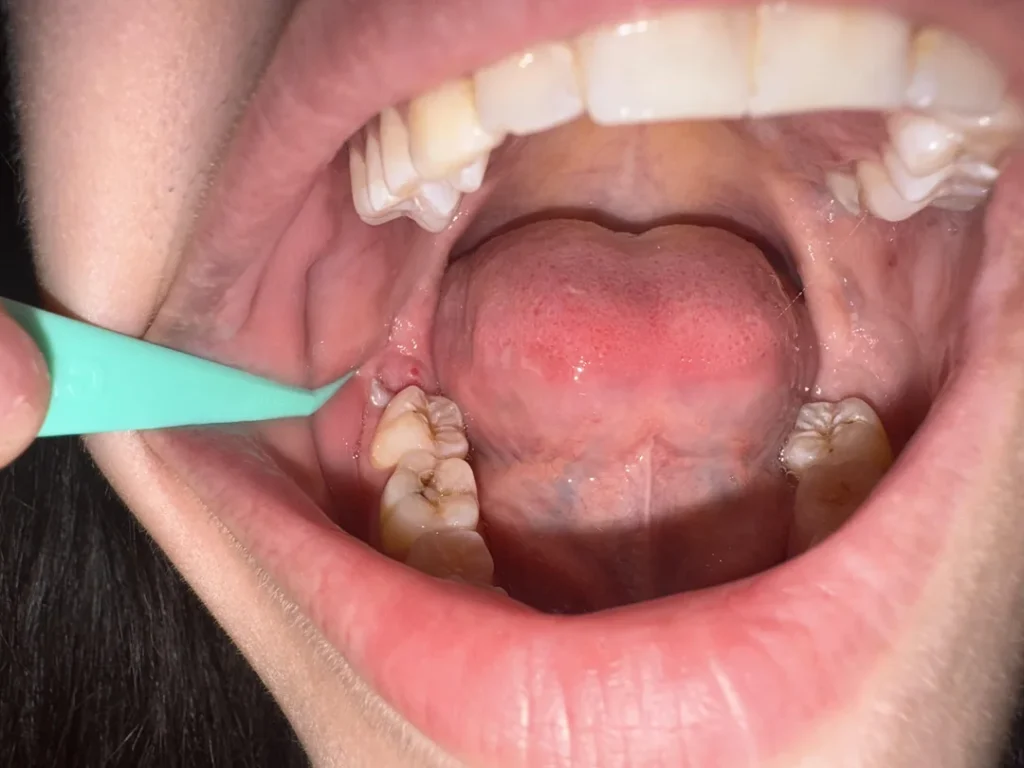
Smoking and Healing Risks
Smoking or chewing tobacco significantly increases the risk of:
- Dry socket
- Infection
- Poor healing
- Periodontal issues
Avoid smoking for at least 72 hours—longer if advised.
Insurance, Costs, and Planning
Patients often ask about insurance, insurance plans, and cost range. Coverage varies depending on:
- Whether the extraction is simple or surgical
- Use of sedation or general anesthesia
- Whether it’s an emergency dental services case
Your dental office can help review benefits and answer questions during a check-up or consultation.
When to Seek Emergency Help
Contact an emergency dentist or seek emergency dental services if you experience:
- Severe or worsening pain
- Heavy bleeding that doesn’t stop
- Signs of infection (fever, pus, swelling)
- Numbness suggesting possible nerve damage
Many clinics in Brampton, including areas near Mayfield Road and Hwy10, offer same-day appointments and extended hours for urgent needs.
Choosing the Right Dental Care Provider
Wisdom tooth extraction may be performed by:
- A general dentist
- A dental specialist
- Dental surgeons or an oral surgeon
Your care team works together to ensure safe outcomes and proper post-care.
Final Thoughts on Healing and Results
Knowing when to stop using gauze after Wisdom tooth extraction is a small but important part of healing. Most patients can stop once bleeding slows, but careful attention to post-op guidelines helps prevent complications.
Staying informed, following instructions, and scheduling a follow-up if needed supports long-term dental well-being and better Results.
If you’ve recently had a wisdom tooth removed—or think you may need one—booking an appointment at a trusted dental clinic in Brampton can help you get personalized guidance, reassurance, and care tailored to your needs.