

A bright, confident smile often starts with healthy, well-cared-for teeth. Over time, many people notice changes in the colour of teeth, even when they brush regularly. Everyday habits like drinking coffee, enjoying red wine, or using tobacco products can lead to visible stains and discolouration. Aging, medications, and changes in enamel mineral content can also affect how white teeth appear.
With so many Teeth Whitening options discussed online, it’s natural to ask: what teeth whitening is best? The answer depends on your oral health, the type of staining you have, and professional guidance from a licensed dentist or oral health professional. In this blog, we’ll explain whitening clearly and safely—so you can make informed decisions with confidence.
Why Teeth Change Colour Over Time
Teeth are not naturally paper-white. Their shade is influenced by enamel thickness and the dentin underneath. Over time, teeth may appear darker due to:
- Extrinsic stains caused by tannin from beverages, tobacco, and dental plaque
- Intrinsic stains from factors such as tetracycline, fluorosis, trauma, or root canal treatments
- Build-up of calculus
- Changes in enamel linked to enamel hypoplasia
- Natural aging affecting light reflection
Understanding whether stains are extrinsic or intrinsic helps determine which Whitening treatments will be most effective.
How Professional Teeth Whitening Works
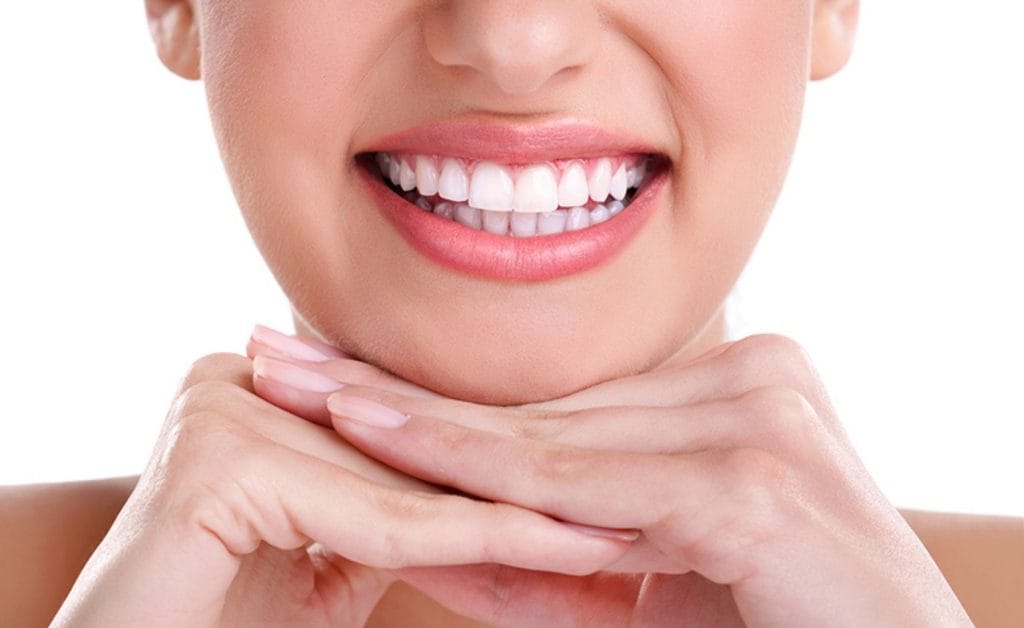
Professional tooth whitening relies on controlled bleaching agents that break down stain molecules known as chromogens. These agents improve how light reflects off the tooth surface, making discolored teeth appear brighter.
Most professional systems use peroxide-based bleaching agents, such as hydrogen peroxide or carbamide peroxide. These ingredients penetrate enamel safely under supervision, unlike harsh abrasive approaches that may damage the tooth enamel or irritate the gums.
In-Office Teeth Whitening: The Gold Standard
For many patients, In-Office whitening remains the most effective and predictable option. Performed in a regulated dental office or dentist’s office, these in-office bleaching procedures are also known as vital bleaching when applied to living teeth.
Benefits of In-Office Whitening
- Uses professional-strength peroxide
- Closely monitored by Dental professionals
- Faster, noticeable results
- Lower risk of gum irritation and uneven whitening
- Approved under Health Canada guidelines
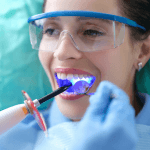
Some systems use LED light, Laser, or controlled UV light to activate whitening gels. Advanced options like the Zoom system or laser therapy are designed to enhance results while protecting the oral cavity.
Whitening Gels, Strips, and Custom Trays (Professional Context)
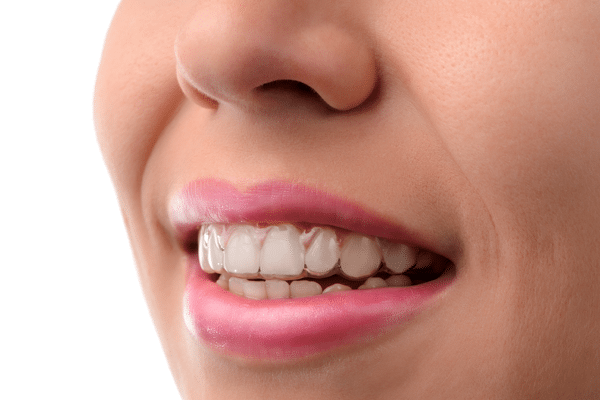
Dentists may recommend professionally supervised whitening gels, Custom trays, or Teeth Whitening Strips as part of a structured plan. These options use measured concentrations of carbamide peroxide or hydrogen peroxide and are adjusted based on enamel condition and sensitivity.
You may see terms such as whitening strips, tray kits, Home tooth whitening kits, Bleachers, Crest 3DWhitestrips, or at-home systems mentioned online by Customers, shoppers, or real shoppers on platforms like Walmart.ca. It’s important to understand that not all whitening products are suitable for every person, especially those with crowns, veneers, dental implants, or other dental restorations, which do not whiten the same way as natural teeth.
Professional oversight ensures whitening is safe, effective, and tailored—rather than relying on product marketing, bots, or spam bots.
Whitening Toothpastes and Surface Whiteners
Whitening toothpaste and Whitening toothpastes work differently from bleaching. They primarily remove surface stains using mild abrasives, baking soda, and polishing agents.
Key points to know:
- They do not change intrinsic tooth colour
- Overuse may increase tooth sensitivity
- Always choose a fluoride toothpaste to protect enamel
- Products marketed as Surface Whiteners help maintain brightness but do not perform true tooth bleaching
These options can support daily Brushing, but they are not replacements for professional dental bleaching.
Common Causes of Tooth Staining
Tooth staining and discoloration often come from everyday exposures, including:
- Coffee, tea, and red wine
- Tobacco products (higher risk for a smoker)
- Acidic foods affecting enamel
- Certain medications such as chlorhexidine
- Poor oral hygiene leading to plaque and calculus
Conditions like gingivitis, oral thrush, and chronic bad breath may signal underlying issues that should be treated before whitening.
Sensitivity, Gums, and Enamel Safety
Temporary tooth sensitivity is one of the most common concerns during whitening. This occurs when peroxide moves through enamel toward the dentin.
Dental supervision helps by:
- Shielding the gums
- Monitoring enamel integrity
- Adjusting active ingredients and exposure time
- Using desensitizing agents with calcium and fluoride
Patients with thin enamel, existing sensitivity, or a history of gum irritation benefit most from professional care.
Special Cases: When Whitening Response Varies
Not all discolouration responds the same way to whitening. Results may be limited in cases involving:
- Tetracycline staining
- Severe intrinsic stains
- Dentinogenesis imperfecta
- Teeth affected by trauma or root canal treatments
A dental assessment helps set realistic expectations and avoids unnecessary re-treatment or complications such as root resorption.
Whitening Myths and Historical Practices
Throughout history, people have experimented with questionable whitening ideas. Stories of ancient Roman dentists using substances like urine and goat milk, or references to traditional Auyrveda practices, appear online. These methods lack scientific support and can harm enamel and gums.
Modern dentistry follows research-based standards set by organizations like the Canadian Dental Association ensuring whitening methods are safe and effective.
Oral Health Comes First
Healthy teeth whiten better and stay bright longer. Addressing cavities, plaque, gum health, and enamel issues before whitening is essential.
A strong oral hygiene routine includes:
- Daily brushing with fluoride
- Flossing to reduce plaque
- Regular professional cleanings
- Monitoring for conditions like oral thrush or gingivitis
Good oral health also reduces risks such as enamel damage and uneven whitening.
Understanding Ingredients and Safety
Some chemical names appear online, such as oxalic acid, calcium hypochlorite, or pyrozone. These substances are not used in modern professional whitening due to safety concerns. Today’s professional systems focus on proven, regulated peroxide-based bleaching agents under strict controls.
Claims involving activated charcoal, olive oil, coconut, oil pulling, or chewing gums often circulate on social media, but they do not replace evidence-based dental care.
What Teeth Whitening Is Best for You?
The best teeth whitening method depends on:
- Type of staining (extrinsic vs intrinsic)
- Enamel condition and enamel mineral content
- Presence of restorations
- Sensitivity levels
- Desired longevity and response
A consultation with a licensed dentist ensures whitening is safe, personalized, and aligned with your long-term oral health.
Final Thoughts
So, what teeth whitening is best? For most patients, professionally guided whitening—especially in-office bleaching procedures—offers the safest, most reliable results. Supervised use of gels, trays, or maintenance products can support brightness, but expert evaluation protects enamel, gums, and overall dental health.
If you’re considering teeth whitening and want results you can trust, scheduling a professional dental visit is the first step. A brighter smile begins with informed care and confidence—book your appointment today to explore the right whitening option for you.