



Undergoing a wisdom tooth extraction is a significant step toward protecting your long-term oral health. Whether you are dealing with impacted third molars or simply making room to prevent future crowding, the recovery phase is just as important as the surgical procedure itself. At Delta Park Dental in Brampton, we want every patient to feel confident and informed during their healing journey.
One of the most common concerns after Wisdom Tooth Removal is managing post-operative bleeding. In this guide, we will discuss how to stop bleeding, what to expect during recovery, and how to ensure your dental well-being remains a top priority.
Understanding Wisdom Teeth and the Need for Removal
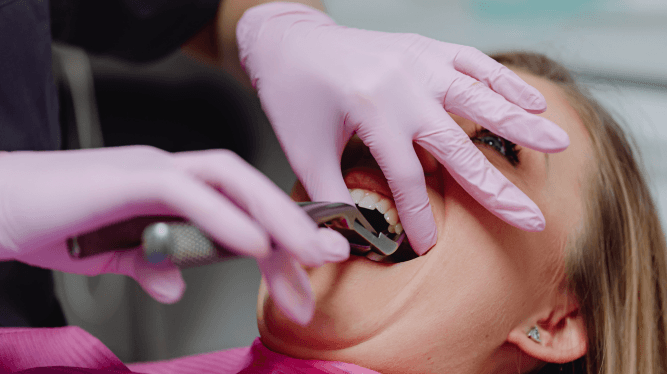
Wisdom teeth, or third molars, are the last set of teeth to emerge, typically in late adolescence or early adulthood. Because they often lack enough space to grow at a proper angle, they can become impacted. This means they remain trapped under the gums or bone, leading to inflammation, bacteria buildup, and potential damage to adjacent teeth.
If left untreated, impacted wisdom teeth can cause:
- Pericoronitis: An infection of the gum tissue surrounding the eruption site.
- Crowding: Pressure on the upper and lower arches, leading to tooth-crowding.
- Decay and Cavities: Their position makes cleaning difficult, inviting tooth decay and periodontal disease.
- Abscess: A painful pocket of infection that may require Emergency Wisdom Tooth Removal.
The Surgical Extraction Process: What Happens?
Before the removal, your dentist or oral and maxillofacial surgeon will conduct a thorough consultation. This includes a review of your clinical history and digital imaging, such as panoramic or 3D X-ray (3D digital X-rays). These panoramic imaging tools allow the medical team to see the exact position of the roots relative to the nerve chamber and oral structures.
Immediate Post-Op: How to Stop the Bleeding
After the wisdom tooth is removed, your surgeon will place sutures (if necessary) and a gauze pad over the site. The goal is to encourage the formation of a healthy blood clot, which is the first step in the healing process.
1. Bite Down Firmly on Gauze
The most effective way to stop bleeding is through direct pressure. Bite down firmly on the gauze pad provided by your dental office for 45 to 60 minutes. If the gauze becomes soaked, replace it with a fresh, clean pad and continue applying pressure.
2. Avoid “Sucking” Actions
This is critical: Do not use a straw. Sucking out of a straw creates a vacuum in the mouth that can dislodge the blood clot, leading to a painful condition called dry socket. Similarly, avoid smoking or using chewing tobacco, as the chemicals and the physical action of smoking significantly delay recovery and increase the risk of infection.
3. Keep Your Head Elevated
When resting, keep your head propped up with pillows. Lying flat can increase blood pressure in the head and neck, which may lead to more persistent oozing at the extraction site.
4. The Tea Bag Trick
If bleeding persists, try biting down on a moistened black tea bag. The tannic acid in the tea helps constrict blood vessels and encourages the blood clot to form more quickly.
Post-Operative Care and Guidelines
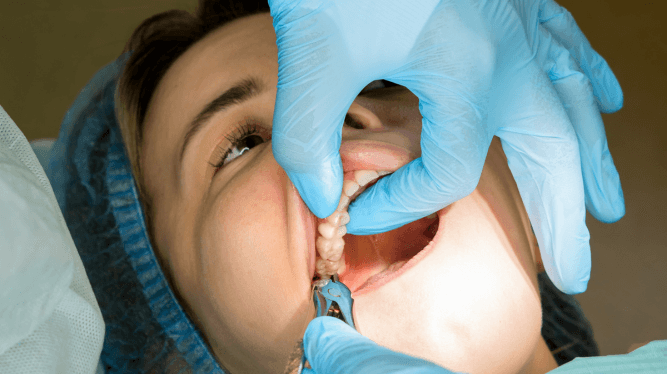
Your recovery depends on following strict post-op guidelines. Here is what you should focus on in the days following your dental surgery:
- Manage Swelling: Apply an ice pack to the outside of your face near the extraction site in 20-minute intervals.
- Dietary Choices: Stick to soft foods like yogurt, mashed potatoes, and lukewarm soups. Avoid hard foods, seeds, or anything crunchy that could get lodged in the surgical site.
- Cleaning and Hygiene: Do not rinse your mouth vigorously for the first 24 hours. Afterward, very gently rinse with warm salt water to keep bacteria away from the site.
- Rest: Avoid strenuous physical activity for at least 48 hours, as a high heart rate can trigger bleeding. This is especially important for patients with a history of high blood pressure, heart attack, or stroke.
Recognizing Dental Emergencies
While some minor oozing is normal for the first 24 hours (extracción de muelas del juicio often involves a bit of “pink” saliva), you should contact your emergency dentist if you experience:
- Severe, uncontrollable bleeding.
- Intense pain that isn’t managed by prescribed medication.
- High fever or signs of a spreading infection.
- Difficulty breathing or swallowing.
At Delta Park Dental, we offer same-day appointments and extended hours for dental emergencies. We understand that pain doesn’t always follow a 9-to-5 schedule.
Long-Term Dental Health and Restorative Care
Once your recovery is complete, it is important to attend your follow-up appointment. We will check the healing of the gums and ensure there are no signs of periodontal issues or bone loss.
If the extraction was part of a larger restorative treatment plan—perhaps preparing for dental implants, dental bonding, or Root Canal Therapy (Endodontic therapy) on other teeth—we will coordinate your next steps. Our goal is to maintain your dental well-being through every stage of your life, from basic check-ups to complex full-mouth reconstructions.
Insurance and Accessibility in Brampton
We believe that high-quality dental healthcare should be accessible. Our office accepts a wide range of insurance plans. Whether you are coming from Mayfield Road, Hurontario St., or anywhere else in Brampoton, we work with your insurance provider to clarify the cost range of your treatment plan.
Preventing Future Issues
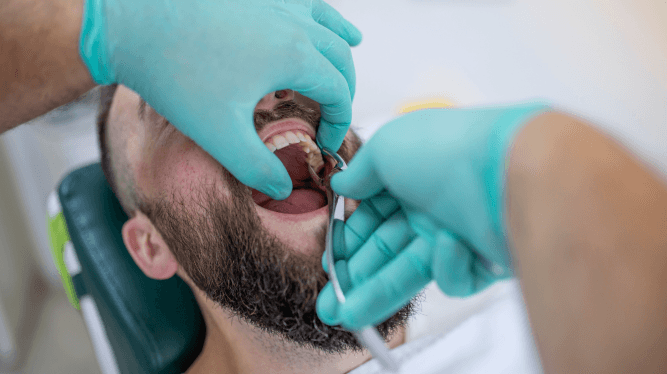
Wisdom tooth extraction is often a proactive choice. By removing impacted teeth early, we prevent:
- Damage to Neighboring Teeth: Impacted teeth can push against second molars, causing root damage.
- Cysts and Tumors: Though rare, fluid-filled sacs can form around impacted teeth.
- Gum Disease: Poorly positioned teeth are breeding grounds for bacteria that lead to chronic periodontal disease.
Regular visits to your dental healthcare provider and the Canadian Dental Association’s recommended cleaning schedule are your best tools for preventing the need for Emergency Tooth Extractions in the future.
Conclusion: Confidence in Your Recovery
Dealing with wisdom teeth can be stressful, but with the right medical team and a clear understanding of post-operative care, you can navigate the process with confidence. Remember to apply firm pressure, avoid straws, and give your body the time it needs to heal.
At Delta Park Dental, we are here to support you through every consultation, surgical procedure, and follow-up. We don’t just treat teeth; we care for the person behind the smile.
Are you experiencing pain from your third molars or need to discuss a treatment plan? Contact Delta Park Dental in Brampton today to schedule your consultation and take the first step toward a pain-free, healthy smile!