


A bright smile often makes a strong first impression. Over time, however, many people notice their teeth looking dull or uneven in colour. Daily habits like drinking coffee, enjoying red wine, or using tobacco products can lead to visible stains and discoloration. Even with a good oral hygiene routine, changes in tooth colour can happen naturally as enamel ages.
This is where professional Teeth Whitening comes in. Guided by a licensed dentist or oral health professional, whitening can safely improve the appearance of discolored teeth while protecting your enamel, gums, and overall oral health. In this blog, we’ll explore the best teeth whitening methods available today, how they work, and how dental professionals help patients choose the right option with confidence.
Understanding Tooth Colour and Staining
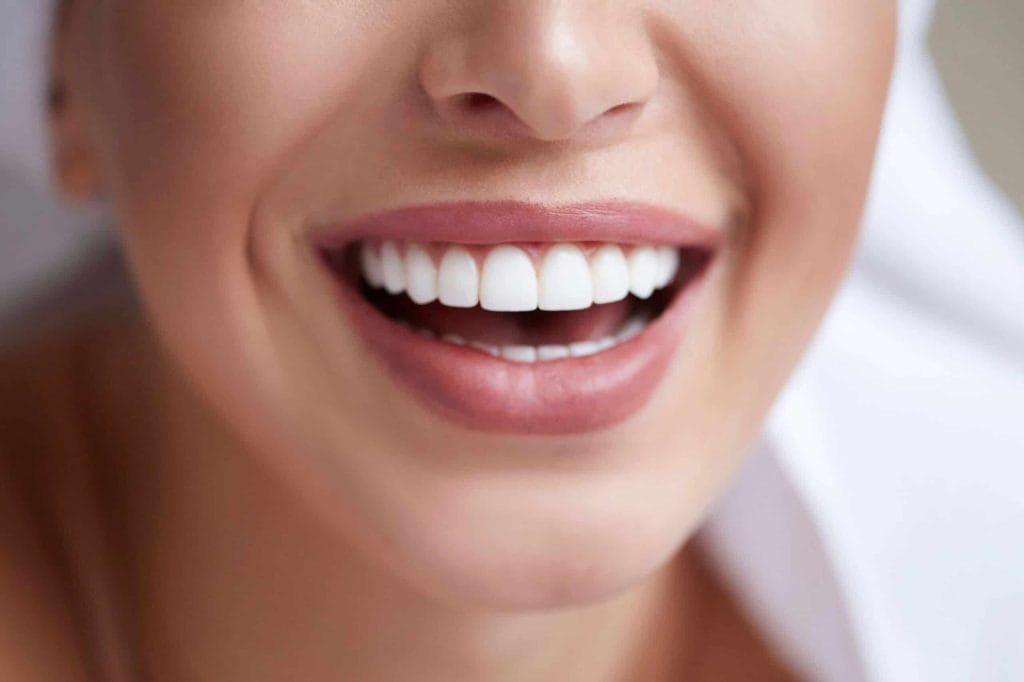
The natural colour of teeth depends on many factors, including enamel mineral content, genetics, and lifestyle habits. Teeth can darken due to both extrinsic stains and intrinsic stains.
- Extrinsic discoloration affects the outer tooth enamel and is often caused by tannin in beverages, tobacco, or dental plaque buildup.
- Intrinsic discoloration develops inside the tooth and may be linked to tetracycline, fluorosis, dentinogenesis imperfecta, trauma, or certain root canal treatments.
Understanding the type of staining helps Dental professionals determine which whitening treatments will deliver the best response.
How Teeth Whitening Works
Professional tooth whitening works by using carefully controlled bleaching agents that break down stain molecules, known as chromogens, within the tooth. These agents improve light reflection, making teeth appear brighter.
Most professional systems rely on peroxide-based bleaching agents, including hydrogen peroxide and carbamide peroxide. These ingredients penetrate the enamel safely under professional supervision, unlike overly abrasive methods that can damage enamel and cause gum irritation.
In-Office Teeth Whitening Procedures
One of the most effective whitening options is In-Office treatment performed in a dentist’s office or dental office. These in-office bleaching procedures are also referred to as vital bleaching when applied to living teeth.
Benefits of In-Office Whitening
- Uses higher-strength peroxide-based formulas
- Performed under strict guidelines from Health Canada
- Monitored by trained Dental professionals
- Faster, more noticeable results
- Reduced risk of tooth sensitivity and gum irritation
Some systems use LED light, Laser, or controlled UV light to activate whitening gels. Advanced options like the Zoom system or laser therapy are designed to accelerate results while protecting the oral cavity.
Teeth Whitening Products – Gels, Strips, and Custom Trays (Professional Guidance)
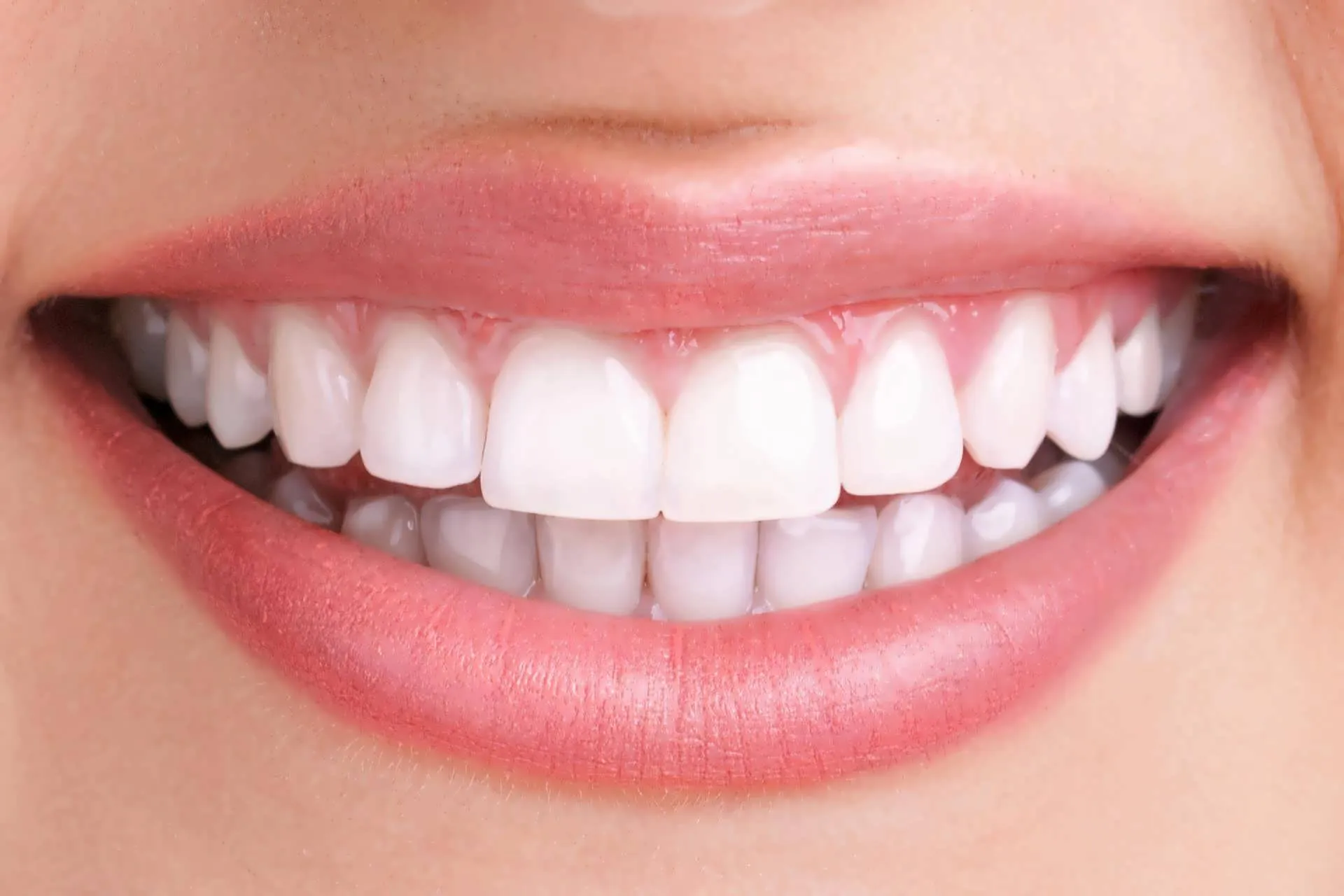
Dentists may also recommend professionally approved whitening gels, Custom trays, or whitening strips as part of a supervised plan. These options use measured amounts of carbamide peroxide or hydrogen peroxide and are designed to minimize risks.
While terms like Teeth Whitening Strips, tray kits, Home tooth whitening kits, Crest 3DWhitestrips, or at-home systems are often discussed by patients, it’s important to understand that results and safety depend on professional evaluation. Not all products are suitable for every patient, especially those with crowns, veneers, dental implants, or cavities, which do not whiten the same way as natural teeth.
Whitening Toothpastes and Surface Whiteners
Whitening toothpaste and Whitening toothpastes work differently from bleaching treatments. They rely on mild abrasives, active ingredients, and sometimes baking soda to polish away surface stains.
These products can be helpful for maintenance but:
- Do not change intrinsic tooth colour
- May increase tooth sensitivity if overused
- Should always contain fluoride toothpaste for enamel protection
Products labeled as Surface Whiteners can support daily Brushing, but they are not substitutes for professional dental bleaching.
Common Causes of Tooth Discolouration
Several factors contribute to staining and discolouration, including:
- Coffee, tea, and red wine
- Tobacco products and smoking
- Poor oral hygiene leading to calculus
- Certain medications like chlorhexidine
- Acid exposure affecting enamel
- Aging and changes in enamel thickness
Conditions such as gingivitis, oral thrush, and chronic bad breath may also signal underlying oral health issues that should be addressed before whitening.
Sensitivity and Gum Health During Whitening
Temporary tooth sensitivity is one of the most common side effects of whitening. This occurs when peroxide passes through enamel into the dentin.
Professional care helps reduce risks by:
- Protecting the gums
- Monitoring enamel health
- Adjusting treatment strength
- Using desensitizing agents with calcium and fluoride
Patients with thin enamel, existing gum irritation, or high sensitivity benefit most from dentist-supervised whitening.
Special Considerations Before Whitening
Not all discoloration responds the same way. Whitening may have limited effect on:
- Teeth affected by tetracycline
- Severe intrinsic discoloration
- Teeth with veneers, crowns, or fillings
A thorough exam allows the dentist to set realistic expectations and avoid unnecessary re-treatment.
Historical and Cultural Whitening Myths
Throughout history, people have experimented with unusual whitening practices. Ancient Roman dentists reportedly used substances like urine and goat milk, while some traditional Auyrveda practices referenced natural abrasives. Modern dentistry does not support these methods due to safety concerns and lack of evidence.
Today’s whitening techniques are guided by scientific research and standards set by organizations such as the Canadian Dental Association.
Oral Health Comes First
Healthy teeth whiten better. Addressing cavities, plaque, and gum health ensures whitening treatments are both safe and effective. A consistent oral hygiene routine, including brushing, flossing, using a mouthwash and professional cleanings, is essential.
Good oral health also helps prevent issues like root resorption, enamel damage, and uneven whitening results.
Choosing the Best Teeth Whitening Method
The best teeth whitening method depends on:
- Type of staining (extrinsic stains vs intrinsic stains)
- Enamel condition
- Sensitivity levels
- Presence of restorations
- Desired speed and longevity of results
A consultation with a licensed dentist ensures whitening is tailored to your needs while protecting long-term dental health.
Final Thoughts
So, what are the best teeth whitening methods? Professional, dentist-guided whitening remains the safest and most effective way to improve your smile. Whether through in-office bleaching procedures, supervised gel systems, or maintenance whitening, expert care protects your enamel, gums, and overall oral health.
If you’re considering teeth whitening and want results you can trust, a professional dental evaluation is the first step. A brighter smile starts with informed care and confidence—book your appointment today to explore the right whitening option for you. Visit a dentist’s office today for all your dental needs.